1. How restorative luxury design is quietly rewriting the vacation rental rulebook
Luxury rental designers are no longer chasing the most photogenic corner of a vacation rental; they are engineering calm, nervous-system-friendly spaces where you actually feel your shoulders drop. Luxury is less about marble details or champagne service and more about quiet, self-exploration, renewal, and meaningful connection, and that shift is reshaping what a restorative, design-led vacation home looks like from the bed to the bath. When you scroll through vacation rentals now, the smartest hosts lead with how you will sleep, how you will breathe, and how your stay will feel, not how the room will perform on social media.
This new definition of luxury vacation living is grounded in quiet luxury, warm minimalism, and sensory-rich interiors that support deep rest during your vacation dates. The best vacation homes use natural materials, soft lighting, and a design-forward layout to create a restorative retreat where every room, from the equipped kitchen to the outdoor terrace, is tuned for comfort rather than spectacle. That means fewer decorative objects, more generous gathering spaces, and a price that reflects craftsmanship and long-term durability rather than short-lived trends.
For couples planning a romantic stay, this shift is good news because it makes it easier to filter rental properties by how they will actually support your guest experience. When you read a listing for a villa or coastal destination in the United States, look for language about experiential hospitality, natural beauty, and fully equipped wellness features rather than just a long amenity list. The most restorative rentals now explain how the bed–bath configuration, outdoor areas, and overall design will help guests sleep better, reconnect, and return from their stays feeling genuinely renewed.
2. Neuro aesthetics in practice: what to look for in photos and floor plans
Neuro-aesthetic design is the science-backed idea that spatial proportions, light, and texture directly influence how you feel during a stay. In a restorative luxury vacation rental, you will notice wider circulation paths, uncluttered sightlines from bed to window, and a calm visual rhythm that makes the room feel breathable. These design choices reduce cognitive load for guests, which is why you often sleep better in these rentals than you do at home.
When you evaluate vacation rental photos, scan for three things that signal serious design-forward thinking. First, check whether the main gathering spaces are arranged around conversation and shared experiences rather than a television, because that is a hallmark of experiential hospitality that prioritizes human connection. Second, look for a fully equipped kitchen that is visually quiet, with concealed appliances and generous worktops, since this supports long-term stays and makes the price feel justified for couples who love to cook together.
Third, pay attention to how the bed and bath are positioned within the floor plan, because a well-planned suite can turn a simple vacation rental into a private spa-like retreat. Listings that reference warm minimalism, organic textures, and soft blue or earthy palettes usually indicate a restorative, wellness-focused stay rather than a content factory. For a deeper checklist of questions that reveal a rental’s true quality before you book, study the guidance in this detailed pre booking quality guide, then apply it to your next round of vacation rentals research.
3. Sleep first design: the new non negotiable for luxury travel couples
For couples planning a luxury vacation, sleep quality is now the ultimate metric of whether a stay felt genuinely restorative. The best hosts design the entire guest experience around sleep, starting with a high-quality bed, blackout solutions, and acoustic insulation that keeps the room quiet even in lively destinations. This is where a restorative, sleep-centric vacation rental separates itself from generic stays that still treat the bed as an afterthought.
Look for listings that specify mattress type, pillow menu, and window treatments, because these details show that the owner understands experiential hospitality at a granular level. A design-forward villa that invests in these elements will usually mention how the layout supports circadian rhythms, such as morning light at the breakfast table and dimmable lighting near the bed–bath zone. Properties that take sleep seriously often also limit screen presence in the bedroom, which is a subtle but powerful sign that the rental is designed for calm, not content creation.
Digital-detox-focused vacation homes are emerging as a distinct micro category within luxury travel, especially in the United States and Southern Europe. These stays may offer strong Wi-Fi in gathering spaces but keep the bedroom deliberately low tech, which encourages couples to reconnect and rest. One coastal cottage in Big Sur, for example, removed televisions from the primary suite, added layered window treatments, and upgraded to a hotel-grade mattress; the host reports that five-star reviews mentioning “best sleep in years” doubled within a season. To understand why the smartest rental hosts are designing for sleep rather than for social feeds, read the analysis in this sleep centric rental design feature before you choose your next restorative luxury design vacation rental.
4. Biophilic calm: how nature, light, and water reshape the guest experience
Biophilic design goes beyond a nice beach view or a single potted plant; it is about integrating living systems into the architecture of your vacation rental. In a truly restorative luxury design vacation rental, you will often find cross ventilation, generous glazing, and outdoor rooms that blur the line between interior and exterior. These elements harness natural beauty to regulate your nervous system, which is why you feel calmer within minutes of starting your stay.
Couples should look for vacation rentals where the main gathering spaces open directly to outdoor terraces, gardens, or a pool deck, because this layout encourages slow mornings and unhurried evenings. A villa with a hot tub framed by greenery, or a small plunge pool reflecting the blue sky, can transform ordinary travel experiences into bucket-list stays without relying on flashy décor. When the equipped kitchen opens to an outdoor dining area, cooking becomes part of the guest experience rather than a chore, especially on longer stays.
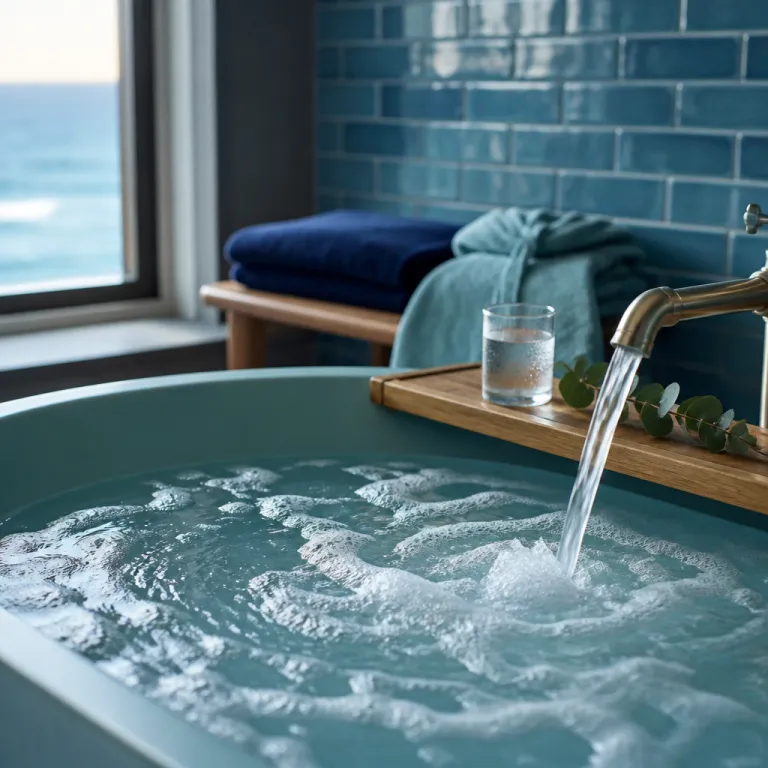
Water plays a particular role in restorative design, whether through a freestanding bath with a view, a discreet hot tub, or a shared pool that anchors the property. If you are drawn to aquatic calm, explore this curated guide to elegant vacation homes with indoor pools, which showcases how thoughtful water features can elevate a restorative luxury design vacation rental. The key is that these features are integrated into the architecture and local culture of the destination, not added as afterthoughts to justify a higher price.
5. Reading between the lines: spotting wellness washing in listing language
As demand for calm-focused rentals rises, so does wellness washing, where hosts sprinkle words like luxury and wellness without backing them up in the design. To protect your vacation, read listing descriptions with the same care you would give to flight dates or cancellation policies. The most reliable signal of a restorative luxury design vacation rental is specific, concrete language about materials, layout, and sensory experiences rather than vague promises.
Trust listings that mention natural materials such as oak, linen, and stone, or that describe how the room is oriented toward light and views. Phrases like warm minimalism, quiet luxury, and sensory-rich interiors usually indicate that an interior designer, architect, or wellness consultant has shaped the space. By contrast, if a vacation rental leans heavily on generic adjectives and a long amenity list without explaining how those features support your guest experience, you are likely looking at a staged property rather than a genuinely design-forward stay.
Pay attention to how the host describes the equipped kitchen, gathering spaces, and outdoor areas, because these are the zones where experiential hospitality either shines or fails. A fully equipped kitchen should reference real tools and layout, not just a microwave and a kettle, while gathering spaces should be described in terms of how guests actually use them. When in doubt, ask direct questions about sleep quality, noise levels, and the bed–bath configuration, since honest hosts will respond with the kind of detail that signals a true restorative luxury design vacation rental.
6. Matching destinations, stays, and budgets to your version of calm
Calm looks different for every couple, which is why the best restorative luxury design vacation rental for you depends on how you like to spend your days. Some travelers crave a beach destination where the blue horizon is the main event, while others prefer a forested villa in the United States with long-term rental options and deep immersion in local culture. The unifying thread is that each of these vacation rentals uses design to support the way you actually live, sleep, and connect while you are away.
If you are planning a shorter luxury vacation, you might prioritize a higher nightly price in exchange for a more intense guest experience, such as a villa with a hot tub, a freestanding bath, and a compact but fully equipped kitchen. For longer stays, look for rental properties with generous storage, flexible gathering spaces, and an equipped kitchen that feels like home, because these details matter more over time. In both cases, a restorative luxury design vacation rental will explain how its design supports daily rituals, from morning coffee on the terrace to evening reading in a quiet room.
To align your travel experiences with this new definition of luxury travel, start by listing how you want to feel during and after your stay. Then filter vacation homes and vacation rentals by those emotional outcomes rather than by sheer size or spectacle, focusing on experiential hospitality, natural beauty, and thoughtful design-forward choices. As one expert summary puts it, “What is 'quiet luxury' in rentals? A design approach emphasizing simplicity, quality, and calm. Why are luxury rentals focusing on calm? To enhance guest relaxation and well-being. How can I find a restorative luxury rental? Look for properties highlighting natural materials and minimalist designs.”
Key figures shaping calm focused luxury rentals
- Recent hospitality design surveys tracking guest reviews show a clear shift toward calm-focused rentals, with travelers increasingly choosing restorative luxury design vacation rental options over content-driven stays.
- Quiet luxury accommodations are gaining share in the high-end rental market, as documented in multiple luxury travel market analyses, indicating that design-forward calm is becoming a new standard rather than a niche.
- Industry analysts tracking experiential hospitality note that properties emphasizing natural materials and minimalist design achieve higher guest satisfaction scores than visually busy rentals in the same price bracket.
- Wellness-oriented vacation homes that integrate biophilic design, such as strong connections to outdoor spaces and natural beauty, report longer average stays, especially among couples booking long-term escapes.
FAQ: restorative luxury design vacation rentals
What defines a restorative luxury design vacation rental for couples ?
A restorative luxury design vacation rental is defined by calm, sensory-aware interiors that prioritize sleep, mental well-being, and meaningful connection over visual drama. These rentals use natural materials, soft lighting, and design-forward layouts to support daily rituals from bed to bath. For couples, that means a guest experience built around rest, privacy, and shared gathering spaces rather than constant stimulation.
How can I tell if a listing offers genuine quiet luxury or wellness washing ?
Genuine quiet luxury listings describe specific materials, spatial layouts, and sensory experiences instead of relying on vague adjectives. Look for mentions of mattress quality, blackout solutions, acoustic treatment, and how the equipped kitchen and outdoor areas are used in daily life. If a vacation rental leans on generic luxury language without these details, it is likely wellness washing rather than a true restorative luxury design vacation rental.
Which destinations are leading this calm focused rental trend ?
Coastal and countryside regions in the United States, Southern Europe, and parts of Asia are at the forefront of calm-focused vacation homes. These destinations combine strong local culture and natural beauty with a mature design community that understands experiential hospitality. As a result, you will find more villas and vacation rentals there that embody restorative luxury design vacation rental principles.
Are restorative design rentals more expensive than other vacation rentals ?
Prices for restorative luxury design vacation rental properties can be higher than average, because they invest in durable materials, acoustic comfort, and thoughtful layouts. However, many couples find that the improved sleep, richer guest experience, and better equipped kitchen justify the price, especially on shorter luxury vacation stays. For long-term bookings, the value often increases because the design supports everyday living rather than just weekend escapes.
What should I prioritise when booking a calm focused rental for a special occasion ?
For anniversaries or bucket list trips, prioritise sleep quality, privacy, and access to nature over sheer floor area. Choose a vacation rental with a well-designed bed–bath suite, intimate gathering spaces, and easy flow to outdoor areas such as a terrace, garden, or pool. Then confirm that the host understands experiential hospitality by asking detailed questions about noise, light, and how the space supports your ideal stay dates.