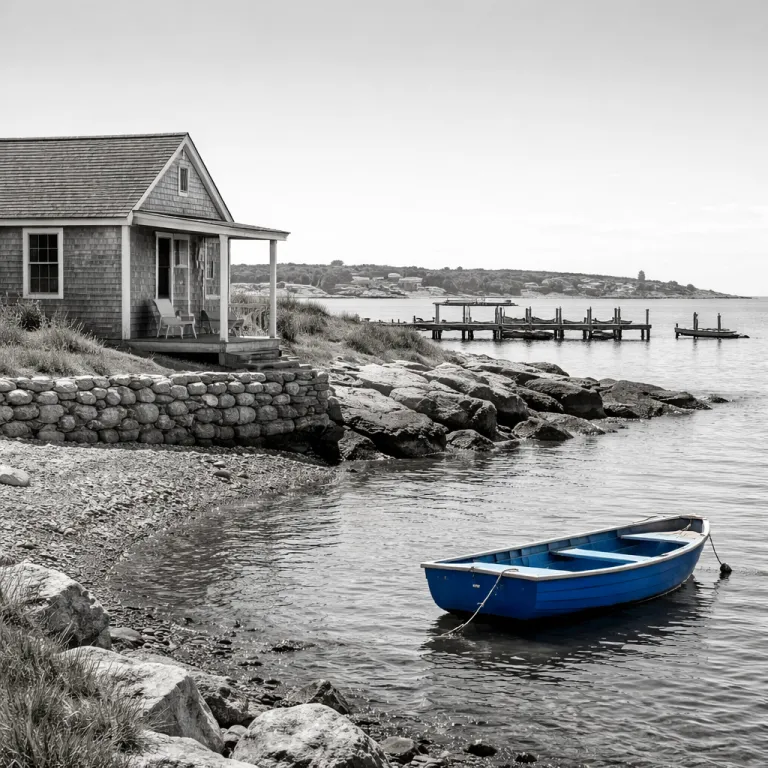
Why hyper-local vacation rental design matters for romantic escapes
Hyper-local vacation rental design is the quiet luxury of the vacation world. It is the difference between a rental property that could sit anywhere and a place where the walls, textiles, and even the light feel unmistakably local. When you book a vacation rental that leans into hyperlocal character, you give your trip a narrative rather than just a postcode.
At its core, hyper-local vacation rental design means every choice in the property is anchored in its surroundings. Designers, property owners, and guests form a triangle of intent where local materials, regional art, and cultural motifs are used with purpose, not as themed décor. This approach supports local businesses and artisans while giving users a richer user experience that standard vacation rentals rarely match.
For couples, this design philosophy quietly shapes everything from the first booking click on a rental website to the last morning coffee on the terrace. A clear, story driven website layout that explains the story behind each object helps potential guests feel the place before they arrive. When a platform highlights how a host worked with local artisans or used sustainable building practices, it helps you distinguish a high quality vacation rental from a generic short term rental business listing.
From Mediterranean coasts to Nordic forests: what hyper-local looks like in practice
Picture a coastal Mediterranean vacation rental where limewashed walls keep interiors cool and woven reed ceilings echo nearby fishing huts. Hyper-local vacation rental design here might use terracotta tiles from a village kiln, linen from a regional mill, and ceramics thrown by a potter whose studio you can visit on foot. The result is a property where the design, the local landscape, and the rhythm of the sea feel inseparable.
Shift to a Nordic forest cabin and the same design principle plays out in very different materials and forms. Pale timber, wool throws, and iron stoves reference vernacular building traditions, while large windows frame real time views of pine and snow instead of a television wall. In tropical settings, hyperlocal design might mean raised wooden decks built with community carpenters, woven palm panels, and cross ventilation that makes air conditioning a choice rather than a necessity.
Across these settings, the most successful vacation rentals use design to guide guests into the local story rather than overwhelm them with props. A thoughtful rental website will show close up images of joinery, textiles, and art so users can read the design language before booking. When a website hyperlocal narrative is backed by clear management details, such as how the rental business supports local businesses and artisans, couples can feel confident that their bookings align with their values.
Reading listings like an insider: separating staged from genuinely local
On any major platform, from a dedicated rental website to Airbnb, you will see the word local used often. The trick is learning to read between the lines so your booking leads to a property with genuine hyper-local vacation rental design rather than a staged backdrop. Look for specific references to local craftsmen, building techniques, and community collaboration rather than vague lifestyle language.
Authentic listings usually explain how the owners worked with designers and local artisans to build vacation spaces that respect traditional forms. You might see mention of reclaimed stone from a nearby quarry, custom furniture made in the next town, or textiles dyed with regional plants. When hosts write that they “incorporated local materials, showcased regional art, and designed with cultural motifs”, they are echoing the core methods of hyperlocal design rather than just styling for social media.
By contrast, a property that leans on generic props often repeats the same look you have seen in dozens of vacation rentals. If the photos show mass market prints, identical furniture sets, and no sign of books, ceramics, or objects with a traceable origin, the design is probably more global than local. A strong, user focused website experience will also give you advanced search filters for features like traditional architecture, artisan made furniture, or proximity to community events, which helps users find the kind of high quality stays where curated means genuinely chosen.
How premium rental websites and platforms showcase hyper-local stays
Behind every polished listing sits a web development and content strategy that either amplifies or flattens the story of place. Luxury platforms that specialise in vacation rentals, such as Plum Guide or Onefinestay, now use SEO, design, and advanced search tools to surface properties where hyper-local vacation rental design is a defining feature. When a rental website treats each property as an editorial story rather than a commodity, couples benefit from clearer expectations and more meaningful bookings.
Look for a website hyperlocal approach where each property page explains the collaboration between designers, property owners, and local businesses. The best platforms build vacation narratives with detailed captions, floor plans, and notes on materials, so potential guests understand why a stone floor feels cool underfoot or how a courtyard layout reflects regional climate. A user friendly interface that highlights these details, instead of hiding them behind generic icons, improves user experience and helps guests choose stays that match their taste.
On the technical side, serious rental business operators now rely on cloud based management systems to keep information accurate in real time. A hyperlocal cloud setup can sync availability, pricing, and content across the website, social media, and partner channels without losing the nuance of each property. When payment gateways, booking flows, and direct bookings are integrated cleanly into the platform, guests can move from inspiration to payment with confidence that the story they saw online will hold up on arrival.
What to look for when you book: practical signals of place based design
When you next scroll through a vacation website, start by filtering for properties that reference architecture, artisans, or cultural heritage in their descriptions. Hyper-local vacation rental design is rarely loud, but it leaves clues in the way hosts talk about their rental, their neighbours, and the landscape. Pay attention to whether they mention community events, local businesses, or regional suppliers by name.
Strong listings often explain how the property supports the surrounding economy and environment through sustainable design practices and local craftsmanship. You might read that the owners worked with regional suppliers, used traditional building methods, or created wellness spaces that reflect local customs rather than imported spa clichés. These details align with industry findings from platforms such as Airbnb and Booking.com, which report that travelers increasingly prioritise authentic, locally rooted stays; internal analyses from several boutique rental agencies indicate that properties with a clear sense of place can see booking increases of up to 15–25 % and guest satisfaction improvements in the low double digits, because travelers feel a deeper connection to place.
As you compare options, use advanced search filters on premium platforms to narrow down vacation rentals with features that matter to you as a couple. If an elegant indoor pool framed by local stone appeals, look for a curated guide to elegant vacation homes with indoor pools and then read how each property integrates regional materials. A thoughtful rental website that combines clear management information, transparent payment processes, and a narrative of hyperlocal design helps you move beyond generic short term stays toward high quality properties that feel like they could only exist in one place.
How technology, management, and payment design support authentic stays
The most compelling hyper-local vacation rental design is supported by invisible but robust technology. Behind the scenes, property owners and managers use cloud based tools to coordinate cleaning, maintenance, and guest communication so the physical design remains pristine. A well run rental business frees hosts to focus on storytelling, local partnerships, and guest experience rather than firefighting logistics.
On the front end, a carefully crafted website design and web development stack can make or break the feeling of trust. When users see clear pricing, intuitive calendars, and secure payment gateways, they are more likely to complete bookings and less likely to fall back on generic Airbnb options. Platforms that encourage direct bookings through a user friendly interface, transparent policies, and responsive support help guests feel they are dealing with real people rather than an anonymous platform.
Social media and real time messaging now extend the design story beyond the walls of the property. Hosts can share behind the scenes glimpses of artisans at work, seasonal changes in the garden, or new collaborations with local businesses, reinforcing the hyperlocal narrative. As one Lisbon based host put it, “When guests see the tile maker’s workshop on our Instagram before they arrive, they recognise his patterns on the kitchen walls and feel instantly at home.” When all of this is underpinned by a hyperlocal cloud infrastructure and thoughtful management, the result is a seamless user experience where technology helps rather than distracts, and every part of the journey, from first website visit to final payment, feels aligned with the spirit of place.
FAQ
What is hyper-local vacation rental design ?
Hyper-local vacation rental design is an approach where every aspect of a rental property, from architecture to textiles, is rooted in its immediate region. It focuses on authentic, region specific aesthetics rather than generic décor. This design philosophy aims to create memorable stays, support local economies, and differentiate properties from standard vacation rentals.
Why should couples choose a hyper-local vacation rental for their next trip ?
Couples benefit from hyper-local vacation rentals because these properties offer a stronger sense of place and a more intimate atmosphere. The design often incorporates local materials, regional art, and cultural motifs that make the stay feel unique and romantic. This depth of character can turn a simple vacation into a shared story anchored in the destination.
How does hyper-local design impact bookings and guest satisfaction ?
Industry data shows that properties investing in hyper-local design can see an increase in bookings of around 20 % and a guest satisfaction improvement of roughly 15 %. These figures are consistent with trends reported in travel surveys from major booking platforms, which note that guests are willing to pay more and stay longer in properties that feel genuinely tied to their surroundings. As a result, rentals that embrace local identity tend to achieve higher occupancy rates and stronger reviews.
How can I tell if a listing is genuinely local or just staged ?
Genuine hyper-local listings usually mention specific artisans, materials, and building techniques, and they often explain how the property engages with nearby communities. Look for detailed captions about furniture, art, and architecture rather than vague lifestyle phrases. If the photos show mass produced décor with no trace of regional character, the design is likely staged rather than rooted in place.
What role do websites and technology play in supporting hyper-local stays ?
Premium rental websites use SEO, advanced search tools, and thoughtful website design to highlight properties with strong local identity. Cloud based management systems keep information accurate in real time, while secure payment gateways and user friendly booking flows build trust. Together, these tools make it easier for travelers to find, evaluate, and book authentically local vacation rentals with confidence.