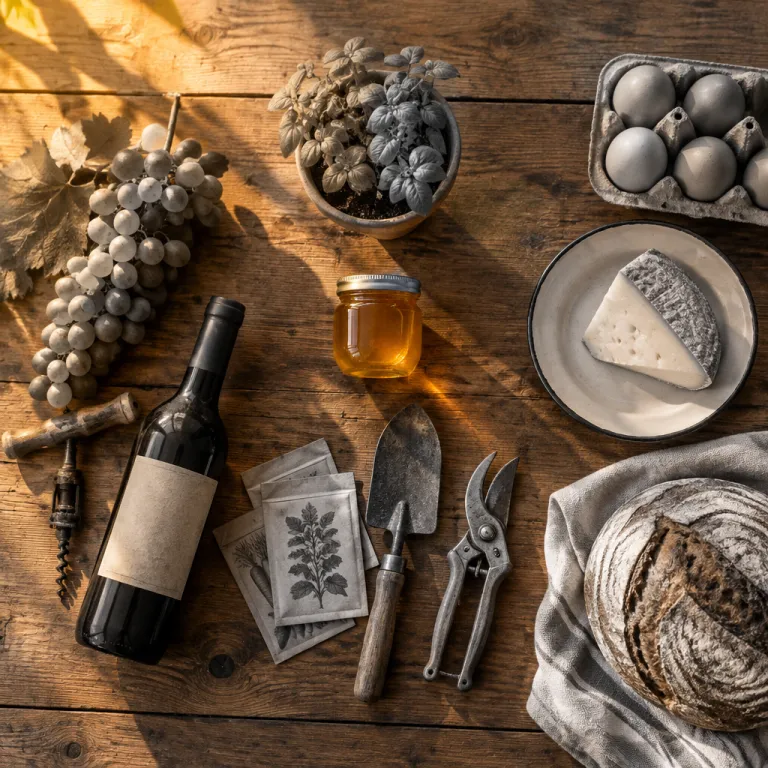
Section 1 – When a kitchen is not enough: what defines a true culinary stay
The most memorable culinary vacation rental farm stay vineyard lodge does not start with marble countertops or a designer range. It begins on the farm, in the vineyard, and in the gardens where your food is grown and your glass of wine is decided row by row. A property where food is central lets you move from soil to plate in a single afternoon.
Look for farmstays and farm stays where the host talks first about the farm and only later about the rooms, because that usually signals that the organic farm, the vineyard winery, and the kitchen are one coherent experience. In a serious vineyard estate, the vineyards and the working farm sit just beyond the terrace, and you can walk from your bed and breakfast style suite to the vines in under five minutes. These are the stays where the culinary vacation rental farm stay vineyard lodge concept feels lived in rather than staged for photographs.
Food focused rentals also tend to have clear access to the production process, whether that means tasting extra virgin olive oil in the mill, joining a small group wine tasting in the barrel room, or helping harvest vegetables for a farm table dinner. When a host mentions specific products such as their own wine, their own olive oil, or their own cheese, you know the food wine connection is not an afterthought. A genuine culinary vacation rental farm stay vineyard lodge will usually list concrete activities such as cooking classes, vineyard walks, or visits to neighboring vineyards wine producers rather than vague promises of “local flavors”.
Section 2 – Farm stays and vineyard lodges where the land sets the menu
On a working farm stay, the day’s rhythm is set by the farm itself, and your plate follows that rhythm closely. You might wake at night to the quiet hum of irrigation in the gardens, then eat eggs from the same farm at breakfast while the farmer explains which plots are now fully organic. In a culinary vacation rental farm stay vineyard lodge, this proximity to production is the real luxury.
In wine country regions such as Sonoma County, a well run vineyard estate often combines a small organic farm with a vineyard winery that produces award winning bottles poured only on site. You may find just three or four rooms, each with views over vineyards and olive groves, and a shared farm table where guests gather for food wine pairings. When the host mentions that the wine olive combination in their kitchen relies on their own virgin olive oil and their own vineyards wine, you are in the right place.
Pay attention to how the listing describes activities linked to the land, because this is where the difference between marketing and meaning shows. A strong culinary vacation rental farm stay vineyard lodge will outline seasonal activities such as pruning in the vineyard, blending sessions in the cellar, or informal cooking classes that use only products from the farm and neighboring vineyards. For deeper culinary immersion, look for rentals whose hosts think like restaurateurs and home cooks at once, and read guides on how a market style kitchen menu elevates a luxury vacation rental stay to understand how serious hosts structure their food offerings.
Section 3 – Solo traveler, shared table: why food immersion beats sightseeing
For solo explorers, a culinary vacation rental farm stay vineyard lodge can be the most sociable option in an unfamiliar county. Instead of navigating anonymous restaurants every night, you join a small circle around a farm table, where food and wine naturally open conversations. The setting is intimate but not intrusive, and the shared interest in food creates instant common ground.
In places like Sonoma and the broader wine country, vineyard lodges and farm stays often attract guests who care deeply about wine food culture, which means you are surrounded by people who want to talk vintages, olive oil, and recipes rather than only landmarks. A solo traveler who books a room in a vineyard estate with just a few stays running at once will usually find that the host is both guide and connector, introducing guests to local winemakers, cheese producers, and market vendors. This is a different energy from a standard bed breakfast where the morning ends as soon as the coffee is poured.
Food focused rentals also give you structure without rigidity, because activities such as cooking classes, wine tasting sessions, or visits to nearby vineyards can be booked as you go. If you are planning a broader itinerary that mixes cities and countryside, pairing a farm stay with an urban food escape such as a refined foodie Savannah rental keeps the culinary theme running. For many solo travelers, the combination of privacy in their rooms and conviviality at the table is exactly why a culinary vacation rental farm stay vineyard lodge feels more welcoming than a larger property.
Section 4 – Reading between the lines of a listing: how to spot the real food focus
When you scroll through listings, the first filter is simple : does the property talk more about the kitchen equipment or about the farm, the vineyard, and the gardens that feed it. A culinary vacation rental farm stay vineyard lodge that leads with its stainless steel appliances but never mentions where the food comes from is probably not the immersive stay you want. Instead, look for detailed references to the farm, the vineyard winery, and the specific products you will taste.
Serious hosts will describe their organic farm status, explain whether their olive trees produce extra virgin olive oil, and outline how guests can participate in seasonal activities. You might see mentions of harvesting olives for oil, joining in the grape crush at nearby vineyards, or helping pick vegetables for a farm table dinner that pairs food wine thoughtfully. Listings that simply say “local wine tasting available” without naming a winery or any vineyards wine partner usually signal a generic experience.
Pay attention to how often the host mentions on site or neighboring producers by name, because that indicates real relationships rather than brochure language. A strong culinary vacation rental farm stay vineyard lodge will often include sample menus, notes about which nights feature hosted dinners, and whether cooking classes are taught by the host or by a local chef. When you see clear references to wine country traditions, olive oil tastings, and specific vineyard estate visits, you can be confident that food is the reason to book, not just a pleasant extra.
Section 5 – Logistics of booking: aligning stays, activities, and budgets
Booking a culinary vacation rental farm stay vineyard lodge requires a little more planning than a standard rental, but the payoff is significant. Start by mapping your desired activities across your stays, from wine tasting and olive oil visits to cooking classes and market tours. Then confirm which of these are included in the nightly rate and which carry additional costs.
Many vineyard estate properties in Sonoma County and other wine country regions offer tiered experiences, where a basic farm stay includes breakfast and garden access, while higher tiers add hosted dinners, structured wine food pairings, or private use of a swimming pool. Ask whether the farmstays can arrange transport to nearby winery visits, because tasting rooms may be several kilometres apart and rural taxis are rare. Clarify if classes are group based or private, and whether minimum numbers apply, especially if you are traveling alone.
It is also worth checking how the property handles seasonal variations, since harvest time brings intense activities but also higher prices and limited rooms. Some culinary vacation rental farm stay vineyard lodge hosts will offer off season perks such as longer stays at reduced rates, extra virgin olive oil tastings, or more intimate food wine evenings when the vineyards are quiet. If your itinerary includes city breaks with strong culinary scenes, you can weave in experiences such as refined food focused activities from a New York luxury rental to keep the gastronomic thread running throughout your trip.
Section 6 – What to expect on site: from kitchen gardens to late night cellars
Once you arrive at a serious culinary vacation rental farm stay vineyard lodge, the first orientation usually happens outside rather than inside. A good host will walk you through the gardens, the farm plots, and the vineyards before showing you the rooms, because this is where your meals begin. You might be invited to pick herbs, taste tomatoes still warm from the sun, or sample wine olive combinations straight from the cellar.
Daily life on a farm stay or vineyard estate tends to follow a gentle pattern, with mornings in the fields or at the market, afternoons by the swimming pool or in the shade of olive trees, and evenings around a farm table. Some nights may feature structured wine tasting flights, while others revolve around informal food wine conversations with the winemaker or farmer. The best farm stays keep the atmosphere friendly but never forced, allowing solo travelers to join or step back as they wish.
Over several nights, you will likely taste a rotation of products from the organic farm and neighboring vineyards wine producers, from fresh cheeses and seasonal vegetables to house made olive oil and small batch wine. Activities might include blending sessions in the vineyard winery, pasta making classes using eggs from the farm, or simple walks through the county lanes at dusk. By the time you leave, the line between accommodation and experience has blurred, which is exactly what a culinary vacation rental farm stay vineyard lodge is meant to achieve.
Key figures shaping culinary farm stays and vineyard lodges
- According to Sonoma County Tourism, more than 425 wineries operate across Sonoma County, creating one of the highest densities of vineyard winery experiences in any single county in the United States.
- Data from Wine Institute shows that California wine country produces roughly 80 percent of all United States wine, which means many farm stays and vineyard estate rentals sit within a short drive of award winning tasting rooms.
- Research from the World Food Travel Association indicates that over 80 percent of leisure travelers now consider food and drink important when choosing a destination, and a growing share actively seek food wine focused accommodation such as farmstays and vineyard lodges.
- Surveys by Booking Holdings have reported double digit growth in demand for farm stays and rural rentals with on site activities, including cooking classes and olive oil tastings, outpacing traditional bed breakfast style properties in several wine country regions.
FAQ
How is a culinary farm stay different from a standard vacation rental
A culinary farm stay or vineyard lodge integrates the farm, the vineyard, and the kitchen into one continuous experience rather than treating food as a side benefit. You typically have access to gardens, on site products such as wine and olive oil, and structured activities like cooking classes or tastings. In a standard rental, the kitchen is simply a facility, while in a culinary vacation rental farm stay vineyard lodge it is the heart of the stay.
What should solo travelers look for when booking a vineyard lodge
Solo travelers should prioritize small properties with shared farm table dinners, clearly described activities, and hosts who live on or near the farm. Look for mentions of communal spaces, scheduled wine tasting or food wine evenings, and flexible classes that run even with one guest. These details signal that you will have opportunities to connect without sacrificing privacy in your rooms.
Are culinary farm stays usually more expensive than other rentals
Rates at serious culinary farm stays and vineyard estates can be higher than at standard rural rentals, because you are paying for both accommodation and curated experiences. However, many include breakfast, tastings, or some activities in the nightly rate, which offsets separate spending on restaurants and tours. Comparing what is included, from olive oil tastings to cooking classes, gives a clearer sense of value than looking at the room price alone.
Do I need a car to enjoy a wine country farm stay
In most wine country regions, including Sonoma County and similar rural areas, having a car makes it much easier to reach wineries, markets, and nearby villages. Some vineyard lodges can arrange transfers or local drivers for wine tasting days, but public transport is usually limited. If you prefer not to drive, choose a culinary vacation rental farm stay vineyard lodge with strong on site offerings so you can enjoy food, wine, and activities without leaving the property.
How far in advance should I book a culinary vineyard estate
For peak harvest periods and weekends in major wine country destinations, booking a vineyard estate or farm stay several months ahead is wise. Smaller properties with only a few stays and limited rooms fill quickly, especially those known for award winning wines or renowned cooking classes. Shoulder seasons often offer more flexibility, along with quieter vineyards and more time with the host.