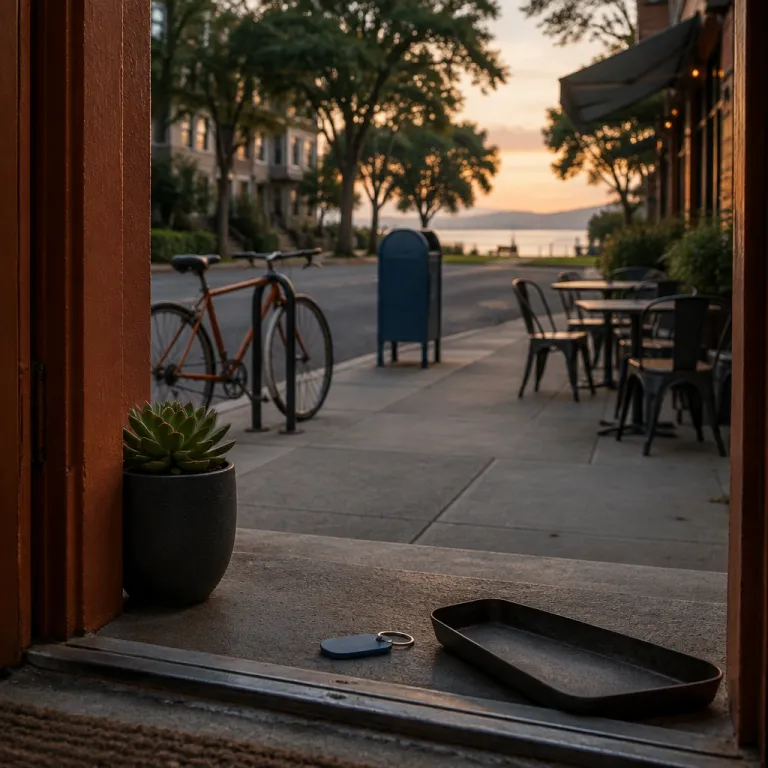
Why the 500 meters around your rental matter more than the sofa
The most luxurious vacation rental fails if the 500 meters around the property feel hostile, noisy, or impractical. For a family planning a premium vacation, that immediate circle shapes daily routines, safety perceptions, and the real value of any rental investment in both comfort and time. When you use a neighborhood checklist for a holiday home, you are really judging how those first streets will support your family’s rhythm from breakfast to bedtime.
Think of this as a micro level market analysis focused not on real estate prices but on lived experience; you are assessing walkability, traffic patterns, and the subtle signals of a well functioning local community. A high design rental property with perfect interiors but poor access to groceries, pharmacies, and playgrounds will drain your energy and your cash flow of time, while a simpler apartment in a strong residential market can feel effortlessly premium because everything you need sits within a short stroll. For families, that short term convenience often becomes the real return investment, far more than any stylish furniture or high tech management system inside.
Luxury booking platforms tend to spotlight interiors, yet the most reliable indicator of long term guest satisfaction is the quality of the surrounding streets and services. A thoughtful neighborhood evaluation treats the area as the primary investment property, with the unit itself as the secondary layer that will either enhance or undermine that base. When you start your search by mapping the 500 meter radius, you are quietly doing your own form of estate investing, weighing demand, safety, and daily comfort before you ever look at occupancy rates or projected rental income.
Redefining “location”: coffee, groceries, and quiet over vague city center claims
On a luxury platform, “central” and “near the beach” appear in almost every vacation rental listing, yet these terms tell you very little about how you will actually live there. A serious neighborhood evaluation reframes location around three daily anchors for a traveling family: a good coffee within 300 to 500 meters, a reliable food market within a short walk, and a quiet enough street for children to sleep. When you evaluate a property this way, you are treating your vacation as both a lifestyle choice and a temporary real estate investment in comfort.
Start with mapping tools such as Google Maps and street level imagery, then trace the real walking route from the rental property pin to the nearest bakery, supermarket, and café. Look for continuous sidewalks, safe crossings, and lighting, because these details will determine whether that advertised “five minutes from the center” is a pleasant stroll or a stressful dash across high traffic roads that will erode your daily cash return in energy. For urban retreats such as a penthouse for rent in the heart of San Diego, use the same method; check whether the short term walk to coffee and groceries passes through welcoming streets or through empty parking lots and highway ramps.
Families should also read between the lines of listing descriptions that emphasize nightlife or “vibrant” streets, because those words often signal late noise and lower sleep quality. A neighborhood that balances some evening life with strong local services usually indicates healthy demand and stable rental market dynamics, which also matters if you are thinking about future estate investing or using the same vacation rentals repeatedly. When you prioritize everyday amenities over vague proximity to tourist attractions, you are quietly doing your own market analysis on what will truly generate emotional revenue for your family stay.
Residential versus tourist zones: choosing the right kind of urban retreat
Two vacation rentals can sit only 800 meters apart yet feel like different cities, because one belongs to a dense tourist strip while the other anchors a lived in residential block. A robust neighborhood review forces you to choose deliberately between these two worlds instead of letting the rental market push you by default. For a family seeking a premium experience, that choice shapes everything from bedtime noise to how easily children adapt to the new environment.
Residential neighborhoods usually offer better access to playgrounds, schools turned into evening parks, and local pharmacies, but they may demand more patience with language and fewer English menus. Tourist zones deliver instant convenience, predictable services, and often higher short term rental income potential for owners, yet they can feel generic and loud, with high turnover that affects perceived safety and real community ties. When you browse luxury city apartment rentals for refined living in the heart of the metropolis, ask whether you want to step out into a café where the barista knows the neighbors or into a strip where every second storefront sells souvenirs.
From an estate investing perspective, residential areas with strong local demand often show steadier occupancy rates and more resilient cash flow than purely seasonal tourist corridors. The same logic applies emotionally for your family; a property in a balanced local estate ecosystem will usually provide calmer nights, more authentic food markets, and a better long term relationship with the city. Use your own market analysis instincts here, weighing the real revenue of restful sleep and easy errands against the short term thrill of being directly on the main square.
How to read maps, satellite views, and noise clues like an investor
Before you fall for the interiors, treat every potential vacation rental like an investment property and run a quick neighborhood due diligence using free digital tools. A disciplined five step checklist starts with mapping a 300 to 500 meter circle, then counting parks and shops, checking street view for sidewalks and lighting, scanning reviews for repeated noise mentions, and finally assessing transit access and traffic. This approach mirrors real estate market analysis, but your goal is not cap rate; it is daily comfort and safety.
On satellite view, scan the 500 meter radius for major roads, rail lines, and large bars or clubs with outdoor terraces, because these often predict high night time noise and lower sleep quality. Look for green patches that indicate parks, schoolyards, or waterfront promenades, which usually signal both better air and higher long term demand from families, even if you are not personally doing estate investing. When you switch to street view, trace the exact short term walking route from the building entrance to the nearest grocery, playground, and café, checking for narrow shoulders, blind corners, or industrial zones that will make each outing feel like a tactical operation rather than a relaxed stroll.
Noise clues also hide in listing photos and reviews; outdoor seating directly under bedroom windows, thin single glazed frames, or repeated mentions of “lively” streets often translate into compromised nights. In many cities, local noise ordinances set night time limits around 45 to 55 decibels in residential zones, yet busy bar streets can easily exceed that, which is why guest comments about music or traffic matter so much. When you learn to read maps and imagery with this level of attention, you are effectively doing your own micro level rental market analysis on livability, not just on potential rental income or future cash return.
Family first: parks, pharmacies, and the five minute test
For traveling families, the most reliable neighborhood test is brutally simple: what can you reach on foot in five minutes with a stroller or a tired child. A thoughtful evaluation therefore prioritizes parks, playgrounds, and pharmacies over museums, shopping streets, or even the beach. This is not anti glamour; it is a recognition that your real luxury is frictionless daily life.
Open your map and draw an imaginary 300 to 500 meter circle around the property, then count how many child friendly spaces, pharmacies, and basic food shops sit inside that radius. A neighborhood that passes this test usually reflects strong local demand and a healthy real estate ecosystem, which in turn supports better services, safer streets, and more stable occupancy rates for surrounding rental properties. When you evaluate elegant vacation rentals in beach destinations such as Treasure Island, look beyond the waterline and ask whether your five minute circle includes shade, snacks, and somewhere to buy sunscreen without needing a car.
Families who travel often start to think like quiet investors, even if they never plan to buy an investment property or calculate a formal cap rate. They notice which urban retreats deliver consistent emotional cash flow in the form of easy mornings, safe evenings, and children who fall asleep quickly, and they return to those same vacation rentals year after year. Over time, your own experience becomes a private rental market analysis, guiding you toward neighborhoods where the 500 meters around the property will always matter more than the thread count on the sheets.
FAQ
How can I quickly compare two neighborhoods for a family stay ?
Use a five minute walk test for each vacation rental by mapping what you can reach within roughly 300 to 500 meters. Count parks, playgrounds, pharmacies, and food shops, then read recent reviews for noise and safety mentions. The neighborhood with better everyday services and calmer nights will usually serve a traveling family far better than one closer to headline attractions.
What signs suggest a neighborhood might be too noisy at night ?
On maps and satellite views, look for dense clusters of bars, clubs, and late opening restaurants within 200 meters of the property. Street level images showing outdoor terraces directly under windows or heavy traffic corridors are also red flags. In reviews, repeated references to “lively” streets, music, or delivery trucks often indicate higher night time noise than the listing admits.
Is a residential area always better than a tourist zone for families ?
Residential neighborhoods usually offer quieter nights, more authentic food markets, and easier access to parks and pharmacies, which many families value. Tourist zones can still work well if the building has good sound insulation and the immediate block feels safe and walkable. The best choice depends on whether you prioritize convenience to attractions or a calmer, more local daily rhythm.
How do I judge walkability if I have never visited the city ?
Trace the actual walking route from the rental to key spots using mapping tools, then switch to street view to check for sidewalks, crossings, and lighting. Avoid routes that force you along highway shoulders, through tunnels, or across large junctions with no clear pedestrian signals. If the walk looks uncomfortable on screen, it will feel worse with children and luggage.
What should I look for in reviews when evaluating a neighborhood ?
Filter for comments that mention noise, safety, and proximity to everyday services like supermarkets, bakeries, and public transport. Pay attention to patterns rather than single complaints, especially around late night bars, traffic, or poorly lit streets. Reviews from families with children are particularly valuable, because they often highlight playgrounds, stroller friendly routes, and how the area feels after dark.