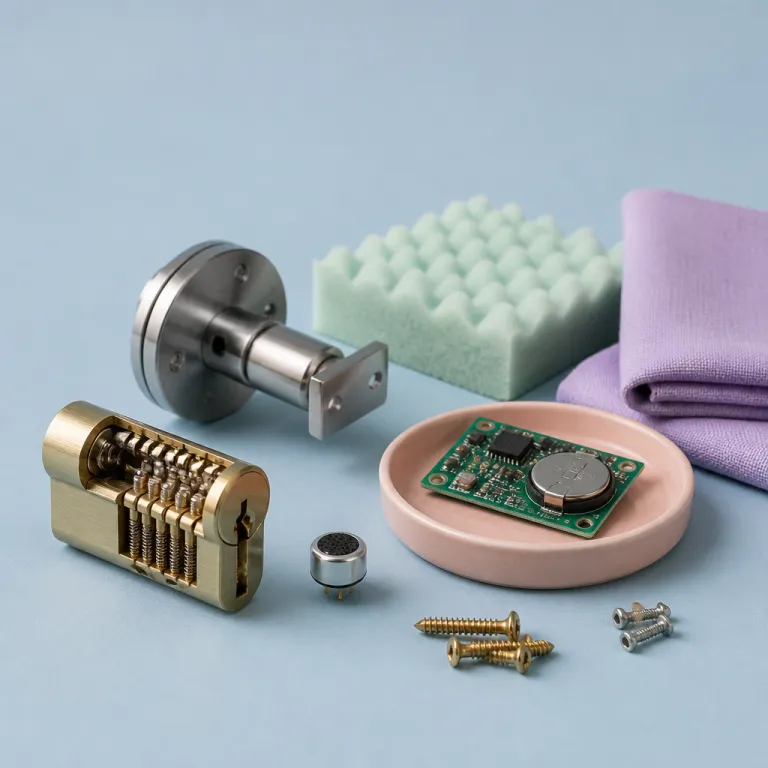
How smart technology quietly reshapes the luxury vacation rental stay
A smart technology luxury vacation rental should feel effortless from the moment you arrive. The best smart vacation rentals use discreet systems so guests sense calm control rather than blinking devices everywhere. In a well designed luxury vacation property, smart features fade into the background while the guest experience becomes smoother, safer, and more personal.
Across high end vacation rentals, owners now weave smart technology into every stage of the stay. Before you even travel, property management platforms connect to smart locks, smart thermostats, and entertainment systems so each rental smart home is prepared for your arrival. Industry surveys from organizations such as Skift and Hostfully suggest that well over half of professional short term rental operators now use some form of AI or automation for messaging, pricing, and operations, with adoption even higher among larger operators that run multiple vacation rental properties.
Invisible hospitality technology is the guiding principle behind this new generation of smart homes. Industry experts define it clearly: "What is invisible hospitality technology? Tech enhancing guest experience without being seen." When you book a smart technology luxury vacation rental, you are not paying for gadgets; you are paying for a rental where systems quietly handle access control, climate, and security so the host appears effortlessly attentive.
Keyless entry, smart locks, and the new language of access
For a frequent business leisure traveler, the most telling sign of a smart vacation property is the door. A smart lock with keyless entry removes the need to coordinate keys, meet times, or late night lockboxes that never quite open. In a refined luxury vacation rental, the access process should feel as considered as the linen quality or the art on the walls.
Modern smart locks use a unique access code for each guest, and the code expires automatically at check out. This approach gives property owners precise access control while sparing guests the anxiety of lost keys or copied fobs. Public hotel case studies from brands such as Hilton and Marriott report that properties adopting mobile keys and connected locks often see double digit gains in guest satisfaction scores, and the same logic now applies to high end vacation rentals that adopt similar systems.
Manufacturers such as August, Yale, Schlage, Nuki, and ASSA ABLOY build smart lock systems widely used in hospitality and professionally managed rentals. Some properties use invisible locks installed inside the door, so the entrance looks like a traditional home while still offering mobile access and remote access control. When you evaluate a potential vacation rental, ask directly about smart locks, whether the lock supports keyless entry, and how owners manage access for cleaners, chefs, and other service guests during your stay; this is where a polished guest experience either holds or unravels.
For travelers considering a desert escape, a carefully curated Paradise Valley vacation rental guide can help you pair strong access technology with the right setting. In these environments, a smart technology luxury vacation rental with robust locks and clear access systems matters as much as the pool or the view. You want a property where rental owners treat security as part of the design, not an afterthought bolted onto the door.
Noise sensors, security systems, and the etiquette of privacy
Noise sensors are the least glamorous part of a smart vacation rental, yet they protect both guests and owners. These small devices measure decibel levels without recording conversations, acting as an early warning system when a quiet luxury vacation evening risks turning into a liability. For business leisure travelers who value calm, this kind of security technology is an ally rather than an intrusion.
Industry data from vendors such as Minut and NoiseAware indicates that properties using smart locks and noise monitoring often see fewer unauthorized gatherings and faster resolution of potential issues. When noise sensors integrate with property management systems, owners can receive alerts before a situation escalates, and they can contact the guest with a polite message instead of sending security to the door. Companies offering monitoring platforms now combine access control, locks, and sensors into one coherent security layer for rentals.
For you as a guest, the etiquette question is simple: what is monitored, and why. Hosts should clearly explain where noise sensors are placed, how long data is stored, and how these systems protect both the property and your guest experience. As dynamic pricing and automated tools spread through the sector, it is worth reading about the invisible cost of dynamic pricing to understand how technology shapes not only security but also the rate you pay for a smart technology luxury vacation rental.
Climate, comfort, and entertainment systems that anticipate your stay
Once inside a well run vacation rental, the most impressive technology is often the least visible. Smart thermostats quietly adjust temperature based on occupancy, time of day, and even local weather, so guests arrive to a property that already feels lived in. For a business traveler landing after a late flight, walking into a perfectly cooled or warmed living room is a subtle but powerful luxury.
In advanced smart homes, entertainment systems, lighting, and climate control link through a central management platform. Property owners can set scenes for arrival, work, and evening relaxation, while guests retain simple manual control through wall switches or a single tablet. The goal is not to turn a vacation rental into a complicated control room; it is to ensure that every smart feature works intuitively for guests who may only stay three nights.
Some operators now connect their property management software to an API integrated ecosystem that includes smart thermostats, smart locks, and noise sensors. This allows the rental management team to pre heat pools, adjust blinds, and check that windows are closed before a storm, all without disturbing guests. In one published case study from a European villa operator, connecting smart climate controls and pool heating to their management platform reportedly cut energy use by around 20% while improving guest comfort scores, showing how far invisible hospitality systems can go when they are designed around the guest experience rather than the gadget list.
As you compare vacation rentals, ask how entertainment systems and climate control are set up, and whether you can override presets easily. A smart technology luxury vacation rental should never trap you in an app just to dim a lamp or open a window. The most refined rentals use technology to anticipate needs, then step back so the property itself, not the systems, becomes the focus of your luxury vacation time.
What discerning guests should ask before booking a smart technology luxury vacation rental
Choosing a smart vacation rental is less about chasing gadgets and more about asking precise questions. Start with access: does the property use smart locks with individual codes, and how is keyless entry handled if your flight is delayed. A confident host will explain their lock systems, remote access procedures, and what happens if the smart lock or app fails during your stay.
Next, explore climate and energy management, especially if sustainability matters to you alongside comfort. Ask whether the property uses smart thermostats, and whether you can adjust them freely without triggering automated resets that fight your preferences. For travelers interested in regenerative design and low impact luxury, it is worth reading about regenerative vacation rentals in practice to see how smart technology can support, rather than undermine, environmental goals.
Security and privacy deserve equal attention, particularly in high value rentals where systems are more complex. Ask where cameras are located, whether any are indoors, and how noise sensors are configured to respect privacy while protecting the property. Industry guidance for travelers is clear: "Verify hotel security features before booking.", "Use mobile apps for seamless check-in.", and "Ensure personal devices are secure."; the same principles apply directly to luxury vacation rentals that rely on smart technology for access control and management.
Finally, consider how property management teams use AI and automation behind the scenes. More operators now use AI tools to streamline communication and operations, and future AI agents are expected to detect calendar gaps and proactively contact past guests with tailored offers. For you as a guest, the benefit is a smoother booking process, faster responses, and a rental smart ecosystem where technology reduces friction instead of adding one more app to your phone.
How invisible hospitality tech changes the relationship between guests and owners
When smart technology is implemented thoughtfully, it reshapes the relationship between guests, rental owners, and property managers. Instead of constant messaging about keys, arrival times, and manual checks, systems handle the routine while humans focus on service. A smart technology luxury vacation rental becomes a stage where the host can be present when needed and invisible when you want privacy.
For property owners, integrated systems reduce operational noise and free time for higher value touches. Smart locks and remote access mean cleaners and chefs can enter with time limited codes, while access logs protect both staff and guests. Noise sensors and security systems reduce liability, and data driven management tools help owners understand how guests actually use the property without invading their stay.
From the guest side, the benefit is a more relaxed, residential experience that still meets hotel level expectations for safety and reliability. You check into a vacation rental where the lock works, the climate feels right, and the entertainment systems are simple enough to operate without a manual. The best rentals use smart homes and smart features not as a selling point, but as the quiet infrastructure that lets you treat a temporary rental as your own home for the duration of your luxury vacation.
As AI evolves, expect property management to become even more anticipatory, with systems that flag maintenance issues before they affect guests and suggest stay extensions when your calendar allows. The technology will keep receding from view, but its impact on guest experience, security, and the economics of vacation rentals will only deepen. For the discerning traveler, the smartest move is to ask the right questions now, so every future stay feels as effortless as the technology behind it.
FAQ
What are invisible smart locks in a vacation rental ?
Invisible smart locks are electronic locks installed inside the door, hidden from view, and controlled by a code, card, or mobile app. They provide secure access without changing the external look of the property, which suits design focused luxury vacation rentals. Manufacturers such as Flexlock and ASSA ABLOY specialize in these systems for hospitality and high end rentals.
How do noise sensors affect my privacy as a guest ?
Noise sensors in vacation rentals measure sound levels in decibels but do not record conversations or content. Their purpose is to alert owners or managers when noise exceeds agreed thresholds, helping prevent neighbor complaints and protecting the property. A transparent host will tell you where sensors are placed, how alerts work, and how long any related data is kept.
Why should I prefer keyless entry over traditional keys ?
Keyless entry using a smart lock and unique access code removes the risk of lost keys and copied fobs. For guests, it means you can check in late without meeting the host, and everyone in your group can enter without sharing a single key. For owners and property managers, it allows precise access control, time limited codes for staff, and better security logs.
What should I ask about security before booking a smart vacation rental ?
Before booking, ask whether the property uses smart locks, where cameras are located, and whether any devices are installed indoors. Clarify how access codes are generated, how long they remain valid, and who can see access logs. You should also ask about noise sensors, alarm systems, and how the host balances security with guest privacy.
How does AI change the guest experience in luxury vacation rentals ?
AI tools now help property management teams automate messaging, coordinate cleaning schedules, and adjust smart thermostats and lighting before you arrive. Some operators use AI powered voice agents for after hours calls, ensuring support without a full night staff. In the near future, AI is expected to analyze booking patterns, detect calendar gaps, and send tailored offers to past guests, making repeat stays smoother and often better priced.