Regenerative vacation rental properties in real life, not in theory
Regenerative vacation rental properties 2026 is an awkward phrase, yet it captures a shift that every serious traveler should understand. Luxury vacation rentals are moving beyond low impact claims toward measurable regenerative tourism, where your stay actively restores ecosystems and strengthens the local community. When you choose a vacation rental that embraces regenerative practices, your private escape quietly funds biodiversity, water resilience and a healthier local economy.
At the heart of this movement is a simple idea ; your vacation experiences should leave a destination better than you found it, not just less damaged. Regenerative travel goes further than eco friendly labels by asking how each guest stay can support local communities, from hiring local artisans to sourcing food from nearby farms and investing in conservation easements. For couples planning a luxury vacation, this means you can enjoy refined comfort while your vacation rental business channels part of your nightly rate into long term restoration projects.
Regenerative vacation rental properties 2026 as a concept also responds to clear guest demand, with sustainable tourism interest rising sharply among high end travelers. When vacation rentals integrate regenerative tourism principles, they tend to attract guests who stay longer, spend more with local businesses and return to the same destination because the experience feels meaningful. For you as a guest, that translates into richer experiences regenerative in nature, where the line between indulgence and responsibility finally disappears.
Greywater systems and the quiet engineering behind regenerative stays
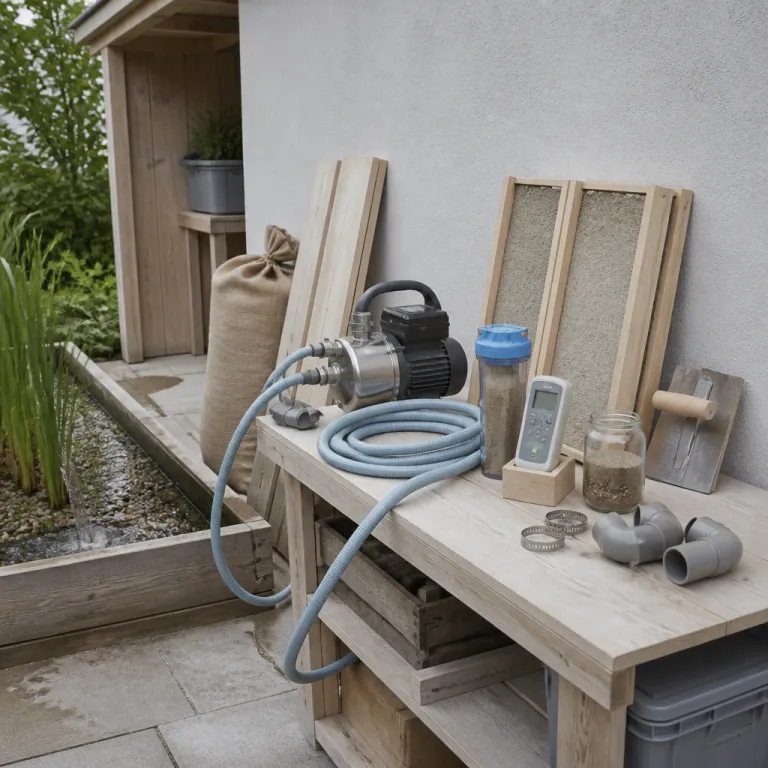
One of the clearest signals that a vacation rental is serious about regenerative practices is its water infrastructure. A greywater system, which recycles water from non sewage sources for reuse, allows rentals to irrigate gardens and landscaping without draining the local water table, especially in drought sensitive destinations. Providers such as ReWater Systems, Greywater Corps and DIG Cooperative, Inc. have spent decades refining these systems for residential buildings and high end vacation homes.
When you read a listing for regenerative vacation rental properties 2026, look for specific mentions of greywater recycling rather than vague eco claims. Properties that work with specialist designers or installers usually highlight how many litres of water they save annually, because this is a tangible benefit for both the environment and the business. As one expert explanation puts it very clearly ; "What is a greywater system? A system that recycles water from non-sewage sources for reuse."
For couples booking a luxury vacation stay, the benefit is twofold, since water saving technologies cut utility costs by 15 to 25 percent and free up budget for better amenities. Hosts who invest in regenerative tourism infrastructure often reinvest those savings into higher quality linens, better coffee, or curated local experiences that deepen your connection with the destination. If you want a step by step guide to evaluating these claims before you travel, study a detailed resource on how to spot a genuinely sustainable rental before you book on vacation rental stay, then apply that lens to every listing you consider.
Carbon sequestering walls, materials and what they mean for guests
Water is only half the story ; the walls around your bed can also be regenerative. Carbon sequestering materials, such as straw bale construction or certain engineered timbers, capture and store atmospheric carbon dioxide instead of emitting it during production. When rentals use these materials thoughtfully, every square metre of your vacation home becomes a quiet climate asset rather than a liability.
Some of the most forward thinking regenerative vacation rental properties 2026 style projects combine greywater systems with carbon sequestering walls, creating buildings that both conserve water and lock away carbon. This innovation matters for regenerative travel because it turns the structure itself into part of the solution, not just the operations or guest practices. For couples who care about regenerative tourism, staying in such a property means your romantic weekend contributes to long term climate resilience in a very literal way.
When browsing luxury eco friendly vacation homes, pay attention to how hosts describe their construction choices and whether they reference recognised frameworks such as the Regenera Luxury certification, GSTC standards or Preferred by Nature. Serious destination management teams increasingly encourage rentals eco projects that use carbon sequestering materials, because they reduce lifetime emissions while enhancing thermal comfort for guests. For a deeper dive into how high end rentals blend design, comfort and sustainability, explore a guide to luxury eco friendly vacation homes on vacation rental stay and use it as a benchmark when you compare properties.
From certifications to community : how to verify regenerative claims
Labels are multiplying quickly, so you need a clear way to separate regenerative vacation rental properties 2026 level commitments from basic green marketing. Start by looking for third party verification such as the Regenera Luxury framework for regenerative retreats, GSTC aligned standards or Preferred by Nature certification, all of which require measurable impact. These signals show that a vacation rental is not just eco friendly in name but aligned with rigorous regenerative practices that go beyond short term gestures.
Next, read how the host talks about the local community and local economy, because regenerative tourism always includes people as well as landscapes. Strong listings explain how they are supporting local communities through fair wages, partnerships with local artisans, and curated experiences regenerative in design that introduce guests to regional culture without turning it into a theme park. When destination management organisations and the travel trade collaborate on such standards, the entire destination benefits from higher quality tourism and more resilient livelihoods.
As a couple planning a luxury vacation, you can also ask direct questions before you book about regenerative travel initiatives, from biodiversity corridors to conservation easements. Serious hosts will gladly explain how your stay supports local reforestation, marine protection or cultural preservation, and how they measure that impact over the long term. If a property cannot answer these questions clearly, it probably does not belong in your shortlist of truly regenerative vacation rentals.
Where regenerative rentals excel : from Costa Rica to California
Certain destinations have become laboratories for regenerative vacation rental properties 2026 style innovation, and they offer useful benchmarks for your next trip. Costa Rica is a leading example, where regenerative tourism and regenerative travel are woven into national policy and many vacation rentals integrate wildlife corridors, reforestation projects and community partnerships. When you book a vacation rental in Costa Rica that works closely with local communities, your stay often funds ranger salaries, school programmes and habitat restoration.
In the United States, a quieter revolution is underway as rentals adopt greywater recycling and carbon sequestering materials in both urban and rural settings. Projects that collaborate with ReWater Systems, Greywater Corps or DIG Cooperative, Inc. demonstrate how regenerative practices can scale from single family vacation homes to multi unit rentals without sacrificing guest comfort. These properties show that regenerative vacation rental properties 2026 thinking is not limited to tropical destinations but can thrive in wine regions, desert retreats and coastal towns.
For couples, the practical takeaway is to look for specific technologies and partnerships rather than generic eco language when choosing where to travel. Whether you are considering Costa Rica, California or another destination, prioritise vacation rentals that publish clear data on water savings, carbon performance and community investment. Over time, your booking choices nudge the travel trade toward deeper commitments, making regenerative tourism the default rather than the niche exception.
How your booking choices reshape the economics of regenerative rentals
Every time you choose genuinely regenerative vacation rental properties 2026 level stays over conventional options, you shift the business case for hosts and investors. Energy efficient upgrades, greywater systems and carbon sequestering walls can reduce operating costs by 20 to 40 percent, and those savings often fund better amenities, staff training and curated guest experiences. When enough travelers favour such rentals, destination management organisations notice and start promoting regenerative tourism as a core strategy rather than a side project.
Price signals matter too, especially in a market where dynamic pricing algorithms constantly adjust nightly rates based on demand. Understanding the invisible cost of dynamic pricing in vacation rentals helps you see how high season revenue can underwrite long term regenerative practices, from habitat restoration to community education programmes. As more guests ask how their stay supports local artisans, local businesses and the wider local economy, hosts gain both the pressure and the permission to invest in deeper change.
For couples planning a romantic vacation, the most powerful step is to treat each booking as a vote for the future of travel. Choose vacation rentals and vacation homes that publish impact reports, highlight experiences regenerative in design and show real relationships with local communities rather than staged photo opportunities. Over time, this guest behaviour turns regenerative travel from a niche term into the quiet default for luxury vacation stays worldwide, where every guest and every destination genuinely benefit.
FAQ
What is a greywater system in a vacation rental ?
A greywater system in a vacation rental captures water from showers, bathroom sinks and laundry, then treats it for reuse in irrigation or toilet flushing. This reduces demand on local freshwater supplies and lowers utility bills for the host. In regenerative vacation rental properties 2026 style projects, greywater recycling is a core technology that supports both environmental resilience and guest comfort.
How do carbon sequestering materials affect my stay as a guest ?
Carbon sequestering materials such as straw bale or certain engineered timbers store carbon dioxide within the building structure instead of releasing it into the atmosphere. For guests, this often means better thermal performance, quieter interiors and a more stable indoor climate without excessive air conditioning. In regenerative tourism contexts, these materials help ensure that your stay contributes to long term climate goals while still feeling luxurious.
How can I verify that a rental is genuinely regenerative ?
To verify regenerative claims, look for recognised certifications such as the Regenera Luxury framework, GSTC aligned standards or Preferred by Nature, and read how the host describes their impact. Serious properties share data on water savings, energy use, carbon performance and community partnerships rather than relying on generic eco friendly language. You can also ask direct questions about regenerative practices, from greywater systems to support for local communities, and evaluate how specific the answers are.
Why do regenerative rentals often cost more per night ?
Regenerative vacation rental properties 2026 level projects require upfront investment in technologies such as greywater recycling, energy efficient systems and carbon sequestering construction, as well as ongoing spending on staff training and community partnerships. These costs can raise nightly rates, especially in the early years of operation. However, lower utility bills and stronger guest loyalty often balance the equation over the long term, allowing hosts to maintain high standards without compromising impact.
Is regenerative travel only possible in remote or rural destinations ?
Regenerative travel is increasingly viable in both urban and rural destinations, as technologies like greywater systems and carbon sequestering materials adapt to different building types. City based vacation rentals can support local communities through fair employment, local sourcing and cultural preservation, while also improving energy and water performance. Rural properties often add landscape restoration and biodiversity corridors, but the core principles of regenerative tourism apply in both contexts.