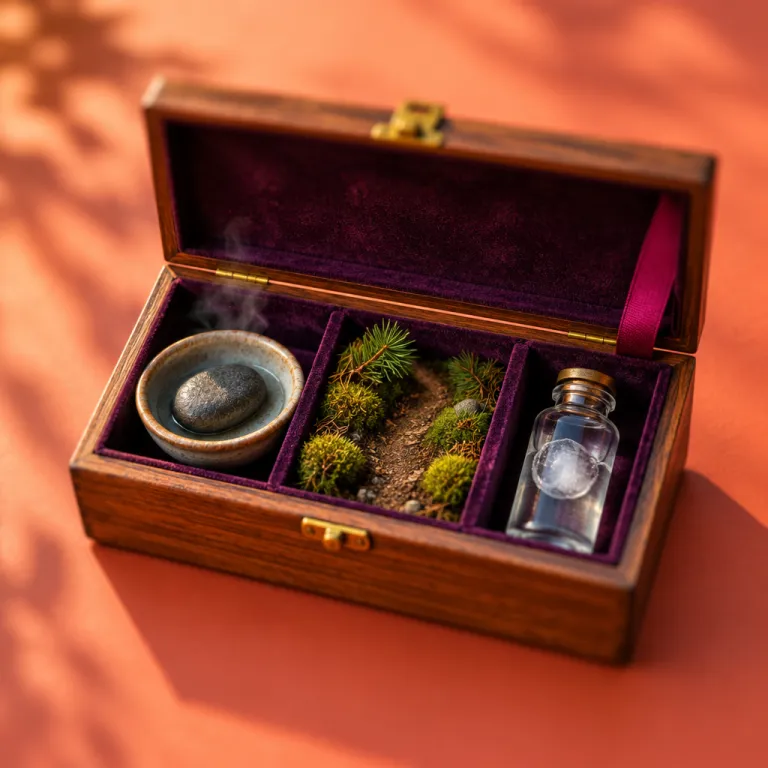
Section 1 – What a wellness vacation rental really offers solo travelers
A wellness vacation rental built around thermal bath rituals, forest bathing and deliberate cold plunge work feels very different from a generic “relaxing” stay. When you filter listings on a major platform such as Airbnb, you will see everything from a basic cabin with a hot tub to a fully spa inspired retreat with a private sauna, infrared sauna, and structured sauna session cycles that support real recovery. The first step is deciding whether you want active practices like cold plunge immersion and forest bathing walks, or a quieter form of restoration built around silence, reading and slow mornings with your morning coffee.
Look closely at how the host describes the wellness amenities, because a true wellness vacation rental thermal bath forest bathing cold plunge property will explain the sequence of hot and cold, the duration of each plunge, and how guests will move between water, heat and rest. A serious host will often mention the type of sauna, whether it is a wood fired cabin, a cedar hot tub on the deck, or an infrared sauna installed indoors, and they will specify if there is a private sauna or a shared spa area. When the listing simply says “spa access” or “hot tub on site” without context, you are probably looking at decorative wellness rather than a purpose built retreat.
Solo travelers benefit most from clarity, because you are curating your own retreat without a group schedule or guide. You want to know if the hot tub is genuinely hot, if the tub cold plunge is deep enough for full immersion, and whether the sauna hot cycles can be followed by a true sauna cold rinse outdoors. Read reviews that mention forest bathing paths, nearby hiking trails and the feeling of connection nature, as these details show that the wellness experience extends beyond the bathroom and into the landscape.
Section 2 – Thermal bathing, hot and cold cycles, and how to read the listing
Thermal bathing is the practice of moving between hot water, cold water and rest to stimulate circulation and calm the nervous system. In a serious wellness vacation rental thermal bath forest bathing cold plunge setting, you will often find a sequence that starts with a sauna session in a wood fired or infrared sauna, followed by a cold plunge in a dedicated tub cold pool, and then a period of quiet in nature. This hot and cold contrast can be intense, so solo travelers should confirm whether the host provides clear guidance, timers, and safety notes for each plunge and sauna cold rinse.
When you scan an Airbnb or direct booking page, look for specific language about the hot tub temperature, the size of the cold plunge tub, and whether the private sauna is large enough for stretching or breathwork. A well designed spa inspired deck might combine a cedar hot tub, a geodesic dome relaxation space and an outdoor shower, allowing guests to move easily between hot, cold and neutral zones during their stay. If the listing mentions a fired sauna or wood fired barrel but never explains how long a sauna session should last or how to alternate with cold water, you may need to bring your own protocol and be more cautious.
Properties in mountain regions often lean into thermal bathing because the crisp air makes each plunge more invigorating. After a day on nearby hiking trails, you can return to your retreat, warm up in the sauna hot cabin, then step outside for a cold plunge under the stars before wrapping yourself in a robe with morning coffee prepared for the next day. For travelers who love soaking after skiing or hiking, it is worth reading guides such as this one on private hot tubs for mountain stays, then applying the same scrutiny to vacation rentals that promise a hot tub or spa deck.
Section 3 – Forest bathing, geodesic domes and the difference between active and passive restoration
Forest bathing, originally known as shinrin yoku in Japan, is the simple but powerful act of walking slowly in the forest and paying attention with all your senses. A wellness vacation rental thermal bath forest bathing cold plunge property that takes this seriously will describe the forest in detail, from the scent of wet wood after rain to the way morning light filters through the trees onto the outdoor deck. You are not just booking a place with trees nearby ; you are choosing a retreat where connection nature is treated as a core amenity, as important as the hot tub or sauna.
Active recovery rentals are built for movement and contrast, with cold plunge pools, sauna hot cabins, infrared sauna panels and sometimes a geodesic dome used for breathwork or yoga between sessions. Passive restoration rentals, by contrast, focus on silence, darkness, and long unstructured hours where guests will simply sit on the deck, listen to the forest and sip morning coffee while wrapped in a blanket. Both can be luxurious, but they serve different nervous systems, and resources like guides to wellness rentals for nervous system recovery can help you decide which style you need before you book.
Look for listings that mention forest bathing paths, private access to hiking trails, and outdoor seating made from natural wood rather than plastic loungers. When a host has designed a spa inspired forest deck with a cedar hot tub, a small cold plunge tub and a private sauna tucked among the trees, you can move between active cycles and quiet contemplation in one seamless stay. That is the difference between a rental that simply lists “forest views” and one that treats the forest as a living spa, where every step outside becomes part of your wellness practice.
Section 4 – Beds, layouts and amenities that actually support recovery
Many wellness rentals talk about rituals, but real recovery starts with how well you sleep. When you scan a wellness vacation rental thermal bath forest bathing cold plunge listing, pay attention to the bed description, because a true premium retreat will specify a king sized or other generously sized bed with supportive mattresses and natural fabrics. A vague “comfortable bed” line tells you less than a clear note that the sized bed is designed for deep sleep after a long sauna session and cold plunge cycle.
Layout matters as much as the spa amenities, especially for solo travelers who want a private, cocoon like retreat. An ideal floor plan separates the sleeping area from the spa inspired zone, so steam and noise from the hot tub, sauna or tub cold plunge do not disturb your rest, and you can move from bedroom to outdoor deck without crossing communal spaces. Look for details such as blackout curtains, quiet heating systems for mountain cabins, and sound insulation between the private sauna area and any shared community zones.
Thoughtful hosts curate small touches that make a stay feel like a true retreat rather than a themed rental. You might find herbal teas for post sauna cold recovery, hooks for robes near the fired sauna door, and a tray for morning coffee beside a window that frames the forest. These details, combined with clear information about the hot tub, cold plunge, sauna hot and sauna cold options, show that the host understands wellness as a full spectrum experience, not just a checklist of amenities.
Section 5 – Solo wellness, data informed programs and choosing the right platform
Solo travelers are quietly driving the growth of wellness vacation rental thermal bath forest bathing cold plunge stays, because traveling alone makes it easier to follow your own rhythm. When you are not negotiating schedules with friends or family, you can plan a full day around a personal cycle of sauna session, cold plunge, forest bathing walk and unhurried reading by the hot tub. This autonomy is why many solo guests will choose a private rental over a shared spa resort, especially when the property offers a private sauna and clearly marked hiking trails right from the door.
At the very top end of the market, some rentals are beginning to integrate biometric informed wellness programs, often in partnership with nutritionists or performance coaches. You might see optional add ons where your sleep data or heart rate variability guide the timing of your sauna hot and sauna cold cycles, or where a practitioner suggests how long each tub cold plunge should last based on your experience level. These programs are still rare on mainstream platforms such as Airbnb, so you are more likely to find them through specialized agencies or curated sites that focus on wellness and nervous system recovery.
Whatever platform you use, evaluate whether the wellness narrative matches the physical reality of the property. Read how the host talks about community, nature and wood, whether they mention local forest bathing guides, and if they connect their spa inspired deck to the wider landscape rather than just listing “outdoor hot tub” as a generic perk. For travelers who care about both wellbeing and environmental impact, it is worth exploring resources on choosing eco conscious rentals, then applying the same lens to your own solo retreat in the mountains or forest.
FAQ
How do I know if a wellness rental’s cold plunge is safe for beginners ?
Check whether the listing explains water depth, temperature range and recommended plunge duration. A responsible host will provide clear guidance, safety notes and sometimes a suggested protocol for alternating between sauna session and cold plunge. If details are vague, message the host with specific questions before you book, especially if you have cardiovascular concerns.
What is the difference between forest views and real forest bathing access ?
Forest views simply mean you can see trees from the property, often through windows or from a deck. Real forest bathing access implies maintained paths, nearby hiking trails and safe, slow walking routes where you can immerse your senses in the forest. Look for descriptions of trail length, terrain and how directly you can step from the rental into nature without driving.
Are infrared saunas as effective as traditional wood fired saunas in rentals ?
Infrared saunas heat the body directly with light, while traditional wood fired or electric saunas heat the air around you. Both can support relaxation and recovery, but infrared sauna sessions often feel gentler at lower air temperatures, which some solo travelers prefer for longer stays. If you enjoy the ritual of tending a fired sauna and the scent of wood, a traditional cabin may feel more atmospheric than an infrared panel room.
What should I look for in a bedroom if I plan intense hot and cold cycles ?
Prioritize a king sized or other generously sized bed with a supportive mattress and breathable linens. Ensure the bedroom is separated from the spa area so noise from the hot tub, private sauna or outdoor plunge tub does not disturb your sleep. Blackout curtains, quiet ventilation and a place to enjoy morning coffee in natural light all help your body recover between sessions.
Is it better to book through Airbnb or a specialized wellness agency for these stays ?
Airbnb offers a wide range of properties, but wellness quality varies and you must read listings carefully to confirm the reality of the spa amenities. Specialized wellness agencies and curated platforms often vet properties more rigorously, focusing on purpose built hot and cold facilities, forest bathing access and overall nervous system recovery design. Choose the channel that gives you the clearest information, transparent reviews and direct communication with a host who understands wellness practices.