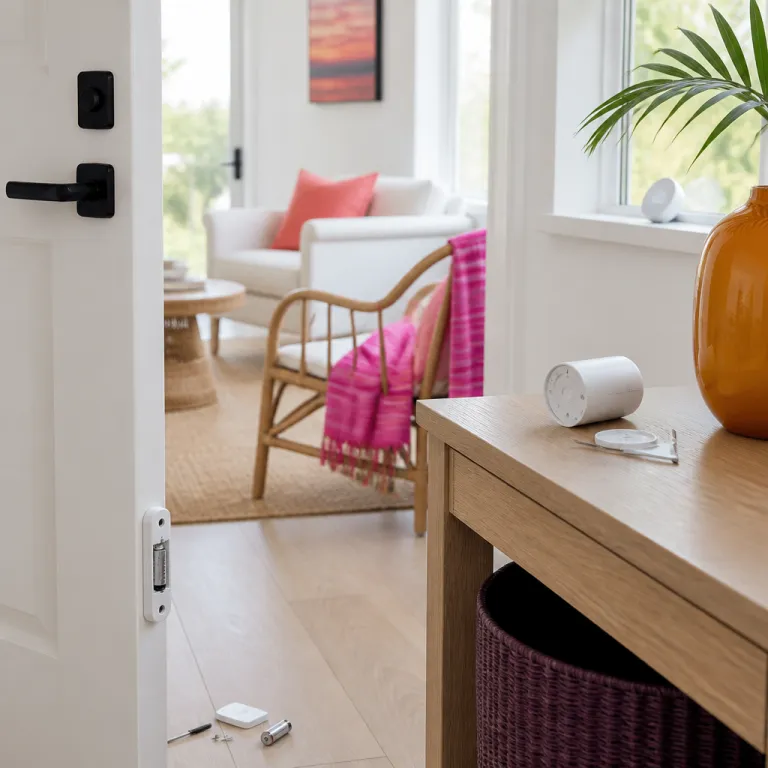
Why luxury vacation rentals are quietly getting smarter
Walk into a high end vacation rental today and you are rarely alone. Behind the sculptural lamps and curated art, a network of smart devices now shapes the guest experience from check in to late night room temperature tweaks. For business leisure travelers used to connected offices and airport lounges, this vacation rental smart monitoring guest privacy data ecosystem can feel reassuringly familiar yet faintly intrusive.
Professionally managed vacation rentals increasingly rely on smart locks, smart thermostats and other smart devices to streamline property management and protect each property from misuse. These systems help property owners and property managers coordinate cleaners, automate safe noise thresholds and reduce energy waste between short term stays, which is why you see them across both independent rentals and polished Airbnb style listings. The same monitoring devices that keep a term rental efficient, however, also raise pointed questions about guest privacy and what data is actually stored.
For a luxury guest extending a business trip into a coastal vacation, the line between thoughtful security and overbearing surveillance matters. You may welcome exterior security cameras at the property entrance yet reject any recording devices inside living spaces, even if hosts claim they are inactive. Understanding how vacation rental smart monitoring guest privacy data practices work in real properties lets you decide whether a specific rental aligns with your own comfort level.
Noise monitoring, occupancy tracking and where the law draws the line
Noise monitoring has become the quiet workhorse of short term rentals, especially in urban buildings and resort communities with strict regulations. Devices such as NoiseAware or Minut measure decibel levels and duration, sending safe noise alerts to hosts and property managers without recording conversations or capturing personally identifiable guest data. For responsible hosts, this type of monitoring protects both the property and neighborhood while keeping guest privacy safe from intrusive audio recording.
Most major booking platforms, including Airbnb and professional vacation rental websites, now require clear disclosure of any security cameras or other monitoring devices on the listing page. Exterior security cameras at entrances, driveways or shared facilities are generally acceptable when disclosed, while indoor cameras in bedrooms or bathrooms are widely considered a serious violation of guest privacy and may breach platform rules. Before finalizing any booking, read the technology and security section carefully, then message the host for an update if the description of cameras, smart locks or noise monitoring feels vague.
Occupancy tracking sits in a greyer area for many guests, especially in luxury term rentals where discretion is part of the promise. Some property management companies use smart thermostats, Wi Fi routers or other smart devices to infer how many guests are present, arguing that this protects insurance coverage and damage protection policies. If you are uncomfortable with that level of vacation rental smart monitoring guest privacy data collection, ask directly whether the property uses any recording devices or monitoring devices indoors beyond standard safe noise sensors and exterior security cameras, then decide whether that term rental still fits your expectations. For a deeper look at how aggressive tech deployments can misfire, the analysis of rental tech overreach offers a useful cautionary tale.
Security versus surveillance inside the property
Every serious traveler wants security, yet no one books a vacation to feel watched inside their rental. The most guest friendly setups separate exterior security cameras and access control from anything that touches private indoor spaces, keeping monitoring devices outside the sanctuary of bedrooms, living rooms and home offices. In well run vacation rentals, smart locks and smart thermostats serve the property without ever becoming covert recording devices aimed at guests.
Look for listings where property owners explain exactly how their smart devices operate, including what data is stored, for how long and who can access it. A transparent host might clarify that smart locks log entry times for security and insurance purposes, while smart thermostats track energy use in aggregate rather than individual guest behavior. When a vacation rental smart monitoring guest privacy data policy is written in plain language, you can judge whether the balance between safety and privacy feels appropriate for your stay.
Luxury travelers should be especially wary of any term rental that normalizes indoor cameras, even in shared living areas, because that shifts the experience from hospitality to surveillance. If a listing mentions cameras without specifying locations, ask whether any devices face sleeping areas, workspaces or spa style bathrooms, then walk away if the answer is evasive. For an example of a refined complex where the emphasis is on atmosphere rather than intrusive tech, the profile of beachfront plantation style rentals in Maui shows how security and serenity can coexist without crowding guests with sensors.
How to read a listing like a privacy professional
Most guests skim listings for pool photos and bed counts, but a privacy focused traveler reads them like a contract. Start with the sections on house rules, security and amenities, then search for terms such as cameras, smart locks, noise monitoring or monitoring devices that might affect your comfort. If a vacation rental smart monitoring guest privacy data policy exists as a separate document, treat it as essential reading rather than optional fine print.
Pay attention to how hosts describe their use of smart devices, especially in high end rentals marketed to executives and families. Clear language about exterior security cameras, safe noise sensors and smart thermostats usually signals a professional property management approach that respects both security and guest privacy. Vague references to "security systems" without specifying whether any recording devices are inside the property should prompt follow up questions before you commit to a short term booking.
When you message hosts, ask targeted questions rather than broad ones, because precise wording tends to elicit precise answers. Instead of asking whether the property is privacy safe, ask whether there are any cameras or audio recording devices inside the rental, including smart speakers or other smart devices that might capture conversations. If the host cannot provide a straightforward update on what is installed, how long data is retained and whether third parties such as insurance providers access it, consider choosing another term rental where transparency is part of the guest experience.
Choosing properties where tech enhances, not erodes, your stay
For many business leisure travelers, the right technology quietly elevates a vacation, turning a rental into a seamless extension of home. Smart locks remove key handover friction, smart thermostats keep the villa at a steady 21 °C and safe noise sensors reassure both guests and neighbors that celebrations will not escalate into complaints. In these properties, vacation rental smart monitoring guest privacy data practices are designed to protect the rental and its surroundings while leaving the lived in spaces blissfully unobserved.
When comparing vacation rentals, weigh the benefits of security and damage protection against your own tolerance for data collection. A coastal property with exterior security cameras, well disclosed monitoring devices and clear insurance backed policies may feel more privacy safe than a cheaper term rental with opaque rules and undisclosed recording devices. If sustainability also matters to you, the guide to eco certified rentals and the green premium shows how thoughtful property owners often pair responsible technology with environmental commitments.
Ultimately, the most satisfying rentals are those where hosts treat guests as partners rather than potential problems. Property managers who share exactly how they use smart devices, why noise monitoring is in place and how guest privacy is protected tend to run term rentals that feel both secure and genuinely welcoming. As you plan your next vacation, let transparency around monitoring, security and data handling sit alongside design, location and service when you decide which property deserves your booking.
FAQ
Are noise monitoring devices allowed inside a vacation rental ?
Noise monitoring devices that measure decibel levels without recording conversations are generally allowed in many jurisdictions when clearly disclosed to guests. Platforms such as Airbnb typically permit these sensors in common areas, not in bedrooms or bathrooms, provided hosts explain their purpose and placement. If you are unsure, ask the host to confirm where each device is located and whether any audio is recorded.
Can a host place cameras inside the rental without telling guests ?
Hidden cameras inside a vacation rental are widely considered unacceptable and may violate both platform rules and local laws. Most booking platforms require hosts to disclose all security cameras and recording devices, including their exact locations, before a guest confirms a booking. If you ever suspect undisclosed cameras, document your concerns, leave the property and report the issue to the platform and, if necessary, local authorities.
What data do smart locks and smart thermostats usually collect ?
Smart locks typically log access events such as the time a code is used, which helps property managers coordinate cleaners and support security investigations after incidents. Smart thermostats usually track temperature settings, energy use and sometimes occupancy patterns inferred from motion sensors, often in aggregated form. When in doubt, ask the host which systems they use and how long they retain any vacation rental smart monitoring guest privacy data from these devices.
How can I tell if a property’s monitoring setup respects my privacy ?
A privacy respectful setup is clearly explained in the listing, limits cameras to exterior areas, uses noise monitoring without audio recording and avoids indoor surveillance in private spaces. Hosts should be able to provide a written overview of all monitoring devices, their locations, what they record and who can access the data. If answers are vague or defensive, choose another property where transparency and guest privacy are treated as part of the core guest experience.
Does more monitoring always mean better security for guests ?
More monitoring can improve property security and damage protection, but it does not automatically translate into better safety for guests. Exterior security cameras, smart locks and safe noise sensors often provide strong protection without intruding on private indoor life, while indoor cameras or extensive tracking can feel disproportionate. The best luxury vacation rentals strike a balance, using technology to support hospitality rather than to scrutinize every moment of a guest’s stay.