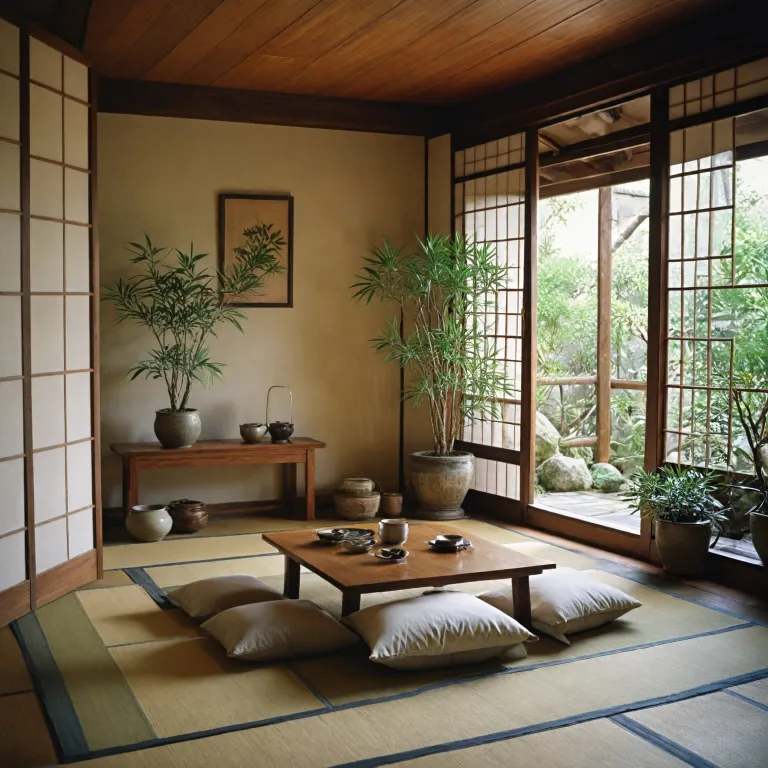
Why japanese traditional house rental appeals to luxury travelers
Choosing a japanese traditional house rental invites you into a living piece of cultural heritage. For travelers accustomed to five star suites, a machiya house or restored kominka offers comparable comfort while immersing you in traditional japanese aesthetics and craftsmanship. These houses balance privacy, authenticity, and attentive guest services in a way that feels both intimate and refined.
In Kyoto and Kanazawa, machiya accommodations place you within walking distance of temples, galleries, and refined dining, yet your holiday house remains a serene retreat behind wooden lattices and paper screens. These traditional houses were once merchants’ homes or townhouses, and today they are meticulously renovated buildings that integrate heating, air conditioning, and modern bathrooms without disturbing the original structure. This careful integration of amenities matters for guests who expect a premium stay but want to respect local traditions and the surrounding neighbourhood.
Across Japan, approximately 9 million vacant houses highlight both a challenge and an opportunity for thoughtful house rentals. When you book a machiya holiday or other holiday homes, you support local craftspeople, architects, and communities who restore each residence inn style property with care. Growing interest in authentic cultural experiences among travelers has encouraged owners to open these traditional japanese houses to international guests, with multilingual language support and concierge style room assistance that rivals luxury hotels.
Understanding machiya, kominka, and regional japanese style
To appreciate a japanese traditional house rental, it helps to understand the main architectural types. Machiya are traditional wooden townhouses found in cities like Kyoto, originally designed with a shop front and living quarters behind. Kominka are rural traditional Japanese houses, often century-old farmhouses with thatched or tiled roofs and large interiors.
In Kyoto, a machiya residence often stretches deep from the street, with a narrow facade and a sequence of style rooms unfolding around inner courtyards. These machiya houses typically feature tatami mats, sliding doors, and a room tatami layout that encourages slow, mindful living during your holiday. In rural areas around Takayama or the wider Japanese countryside, traditional houses may be larger, with steep roofs and expansive wooden beams that frame dramatic mountain views.
For luxury focused travelers, the key is how these buildings have been adapted into premium house rentals without losing their soul. Integration of modern amenities into traditional structures to enhance comfort while maintaining authenticity is now standard among leading providers. When you compare options, look for machiya accommodations that specify insulation upgrades, underfloor heating, and high quality bedding in each japanese style room, just as you would when choosing a ski chalet with a private hot tub for ultimate relaxation after a day on the slopes.
Kyoto, Kanazawa, and Takayama: where to book your machiya holiday
Kyoto remains the emblematic city for a japanese traditional house rental, with entire streets lined by restored machiya houses. Here, Machiya Residence Inn Kyoto offers over 60 private machiya (traditional Japanese townhouses) for rent in Kyoto, Japan. These machiya residence options range from compact one bedroom houses for solo travelers to expansive holiday homes that comfortably host multi generational guests.
In Kanazawa Ishikawa, traditional japanese architecture meets contemporary art museums and refined seafood dining. A machiya house in Kanazawa places you near samurai districts and landscaped gardens, while still giving you a quiet style room with tatami mats and cedar bathtubs. Further north in Takayama, machiya accommodations and kominka style house rentals open onto the countryside, where rural areas offer slower paced travel and seasonal festivals that feel far removed from urban Japan.
Across these destinations, address details can be intricate because many lanes are unnamed, so ensure your confirmation email includes clear maps and local language instructions for taxis. Leading guest services teams will often provide restaurant reservations, luggage forwarding, and curated experiences machiya guests appreciate, such as tea ceremonies or private guides. When you plan a longer holiday, consider combining several traditional houses across Kyoto, Kanazawa, and Takayama to experience different regional cuisines and landscapes within a single, seamless itinerary.
Inside a traditional japanese house: design, comfort, and daily rituals
Stepping into a japanese traditional house rental, you immediately notice the shift in scale and sound. Genkan entrances invite you to remove shoes, then tatami mats and room tatami layouts soften footsteps and encourage a slower rhythm. Sliding doors, shoji screens, and low furniture create style rooms that feel both minimal and deeply considered.
For many guests, sleeping on futons laid directly on tatami mats becomes a highlight of the stay. Traditional japanese bathing rituals are another pleasure, with deep soaking tubs often crafted from hinoki wood, framed by small gardens that bring the countryside into your private building. Premium house rentals now pair these rituals with high pressure showers, heated floors, and climate control, ensuring that even in winter your machiya holiday remains comfortable.
Design details vary between urban machiya and rural houses in Japan’s mountain regions. In Kyoto, a machiya residence might feature an inner courtyard garden, while in rural areas near Takayama, exposed beams and hearths recall farm life. Throughout, guest services teams help international travelers navigate local language nuances, from explaining how to air out tatami mats to guiding respectful behaviour in quiet neighbourhoods, so that both individual guests and neighbouring residents feel at ease.
How to choose and book a luxury japanese traditional house rental
Selecting the right japanese traditional house rental begins with clarifying your priorities. Verify the availability of modern amenities like heating and air conditioning, as traditional houses may lack insulation. Check for proximity to public transportation, as parking may be limited.
Be aware of the traditional architectural features, such as tatami mats and sliding doors, which may differ from Western accommodations. Examine the condition closely for issues like mold, termites, and structural cracks. Ensure adequate heating and cooling, as traditional houses may lack insulation.
Clarify who is responsible for repairs. Online booking through accommodation providers' websites. Direct contact with property owners or management companies.
For Kyoto and Kanazawa Ishikawa, specialist operators such as MACHIYA INNS & HOTELS and Shiki Properties curate portfolios of machiya accommodations and other traditional houses. Their guest services teams understand the expectations of luxury travelers and can recommend a machiya house or holiday house that suits your group size, mobility needs, and preferred neighbourhood. If you value concierge style support similar to a staffed villa, consider properties that offer pre arrival grocery stocking, in house chefs, or partnerships with local guides, and read detailed reviews that mention experience machiya stays, cleanliness, and responsiveness.
When comparing house rentals, pay attention to floor plans, as some buildings have steep stairs or low beams that may not suit all guests. Look for clear address information in both roman letters and Japanese language, which simplifies taxi transfers and luggage delivery. For inspiration on elevated service models, you can also review how luxury villa rentals integrate concierge support and tailored experiences in other destinations through this guide to villa rentals with concierge service.
Living like a local: etiquette, neighbourhoods, and meaningful experiences
One of the greatest luxuries of a japanese traditional house rental is the chance to live like a local. Residential streets in Kyoto, Kanazawa, and Takayama are quiet, so guests machiya etiquette includes keeping noise low at night and handling rubbish according to neighbourhood rules. Many house rentals provide detailed house manuals in more than one language, explaining everything from recycling schedules to how to operate delicate sliding doors.
To deepen your experience machiya stay, start your holiday mornings with a walk to the nearest shrine or market. In Kyoto, you might return to your machiya residence with seasonal produce to cook breakfast in a compact but well equipped kitchen, enjoying the building as a true holiday house rather than just a place to sleep. In rural areas, a kominka or countryside residence inn style property lets you watch farmers at work, soak in nearby hot springs, and appreciate the slower rhythms of Japan beyond the cities.
Respecting the address privacy of your temporary home is also important, so avoid sharing exact locations publicly while you are still in residence. When you travel with friends or family, discuss expectations around shared style rooms and room tatami layouts, as some traditional houses have fewer internal walls than Western homes. By approaching your stay with curiosity and consideration, you help ensure that future travelers are welcomed into these traditional japanese houses and that local communities continue to see tourism as a positive force.
Practicalities for international travelers booking traditional houses in Japan
For international travelers, the logistics of booking a japanese traditional house rental are straightforward but require attention to detail. Yes, there are no special legal restrictions on foreign renters in Japan. A valid visa and standard documents (ID, guarantor or guaranty company) are typically required.
Most luxury oriented machiya accommodations and holiday homes accept major credit cards and provide contracts in more than one language. Before confirming, check cancellation policies, minimum stay requirements, and whether cleaning fees are included in the nightly rate. Because many traditional houses are in compact neighbourhoods, some address details may be approximate on online maps, so save the provider’s directions offline before you travel.
With approximately 9 million vacant houses in Japan, revitalizing traditional homes through rentals addresses both cultural preservation and housing utilization. When you choose a machiya holiday or countryside house rentals over a conventional hotel, you directly support local economies and the craftspeople who maintain these fragile buildings. Growing interest in authentic cultural experiences among travelers has encouraged more owners to renovate traditional houses, integrating modern guest services while preserving original beams, tatami mats, and japanese style gardens.
Finally, remember that each machiya house or kominka is unique, so set expectations accordingly. Some style rooms may be compact, ceilings low, or staircases steep, reflecting the era in which the building was constructed. Embracing these quirks as part of your traditional japanese experience turns your holiday house into a memorable chapter of your travel story, one that connects you to Japan’s past while enjoying the comforts of the present.
Key statistics about traditional japanese house rentals
- Approximately 9 million vacant houses in Japan represent a major opportunity for carefully managed house rentals and cultural preservation.
- Specialist operators now manage dozens of machiya houses and holiday homes in Kyoto, Kanazawa Ishikawa, and Takayama, offering a wide range of traditional houses for international guests.
- Growing interest in authentic cultural experiences among travelers continues to drive investment in machiya accommodations and countryside residence inn style properties.
Essential FAQs about renting traditional houses in Japan
What are machiya and kominka?
Machiya are traditional wooden townhouses found in cities like Kyoto, originally designed with a shop front and living quarters behind. Kominka are rural traditional Japanese houses, often century-old farmhouses with thatched or tiled roofs and large interiors.
Can foreigners rent traditional Japanese houses?
Yes, there are no special legal restrictions on foreign renters in Japan. A valid visa and standard documents (ID, guarantor or guaranty company) are typically required.
What should I check before renting a traditional Japanese house?
Examine the condition closely for issues like mold, termites, and structural cracks. Ensure adequate heating and cooling, as traditional houses may lack insulation. Clarify who is responsible for repairs.