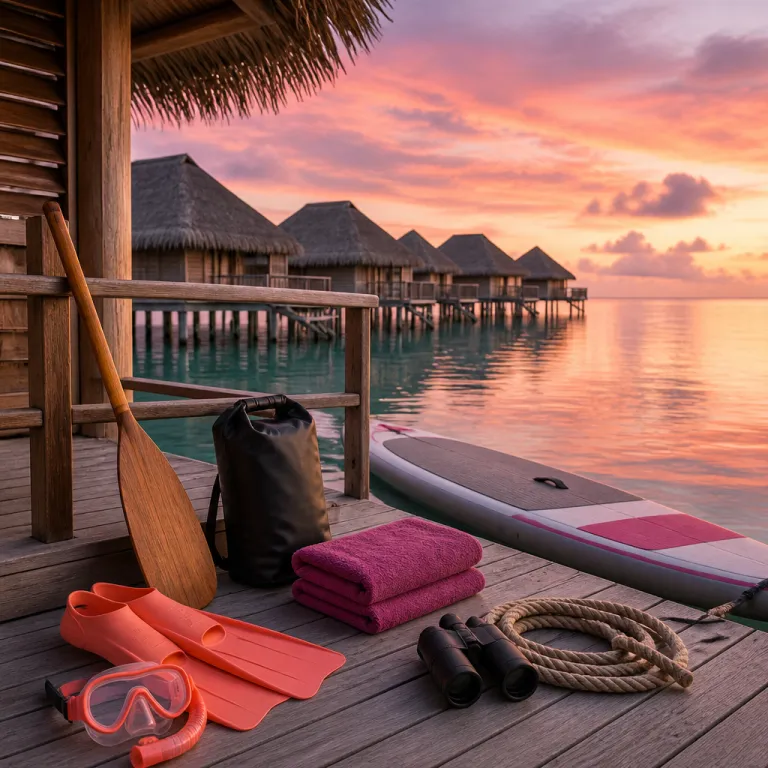
Why Fiji huts on water define modern island luxury
Fiji huts on water offer a rare blend of seclusion, culture, and refined comfort. In this island nation, each overwater bungalow or traditional bure is designed with thatched roofs, timber walkways, and direct access to the lagoon, creating a stay that feels both intimate and expansive. For travelers used to urban penthouses or city villas, the calm of a Fijian bay or reef-fringed cove can feel like a complete reset.
The most sought-after Fiji bungalows sit above turquoise lagoons or quiet bays, where the only sounds are waves and distant village drums. On islands such as Malolo Island in the Mamanuca Islands, you step from your overwater deck straight into the water, then return to a spa treatment that uses local coconut oil and sea salt. One guest at a Malolo Island resort described it as “like waking up in the middle of the ocean, but with every comfort within arm’s reach.” This balance of raw nature and curated service is what elevates a simple island resort into true luxury.
Across the islands of Fiji, architects and local artisans collaborate to ensure each bungalow and each cluster of bures respects the reef and shoreline. Overwater structures are often anchored in deeper water to protect coral, while pathways are raised to allow tides and marine life to move freely beneath. Many leading properties participate in reef monitoring or coral planting initiatives with local marine biologists. When you book a resort in Fiji that prioritizes these details, you are not just choosing comfort; you are supporting a tourism model that aims to keep island Fiji beautiful for the next generation of travelers.
Comparing Fiji’s signature overwater resorts and bungalows
Three names dominate conversations about Fiji huts on water for luxury travelers. Likuliku Lagoon Resort, Koro Sun Resort, and Fiji Marriott Resort Momi Bay each offer overwater accommodation, yet the atmosphere, lagoon setting, and style of every bungalow or villa differ in meaningful ways. Understanding these nuances helps you match the right island resort to your travel style.
Likuliku Lagoon Resort on Malolo Island is renowned as the first in Fiji with authentic overwater bures, positioned along a sheltered lagoon that glows at sunset. Here, the overwater bungalows feel deeply Fijian, with hand-carved details, woven mats, and glass floor panels that frame the water below, while the beach villas and hillside bures offer more privacy for guests who prefer land-based stays. The surrounding Mamanuca Islands provide calm seas, so snorkeling from your overwater ladder often reveals reef fish within just a few metres of the deck.
On Vanua Levu, Koro Sun Resort takes a different approach to Fiji overwater stays with its floating Edgewater Bures that sit directly on the lagoon’s surface. These bures and bungalows Fiji style are connected by timber walkways, and the resort’s lush gardens and rainforest backdrop create a softer, more secluded feel than many beach resort properties. If you are comparing tropical island stays across the Pacific, this ambience contrasts with the more polished, postcard-perfect look of overwater bungalows in destinations such as Bora Bora, and you can explore similar premium island rentals in Europe through curated guides to holiday apartments in Ibiza with pools and premium island stays.
Inside Fiji Marriott Resort Momi Bay and the rise of lagoon living
Fiji Marriott Resort Momi Bay has become a reference point for travelers seeking Fiji huts on water with an international brand’s polish. Set on Momi Bay on Viti Levu, this Marriott resort wraps around a man-made lagoon, where overwater villas line the shore in graceful arcs. The design allows many villas and bungalows to enjoy both lagoon views and easy access to the open ocean and nearby beach.
Guests often refer to the property simply as Fiji Marriott or Resort Momi, but the full Fiji Marriott Resort Momi Bay experience is more layered than the shorthand name suggests. Overwater villas sit above calm water ideal for paddleboarding at sunrise, while the main beach resort area offers family-friendly pools, a spa, and dining that blends international dishes with Fijian flavors. For couples, the adults-only zones and lagoon-facing bars create a quieter atmosphere than some larger island Fiji properties.
When you compare this lagoon resort with more remote island resort options in the Mamanuca Islands or outer islands Fiji, the trade-off becomes clear. Momi Bay offers road access from Nadi and the international airport, with transfer times typically reported at around 45 to 60 minutes by car, which suits shorter stays or multi-destination itineraries that might also include a private island in the South Pacific or even a European private island such as those profiled in this feature on a luxury group’s private island investment. Remote resorts Fiji wide, by contrast, deliver deeper immersion in Fijian village life, but require boat or seaplane transfers and longer travel windows.
How to choose the right overwater bungalow or bure in Fiji
Selecting the ideal Fiji huts on water starts with clarifying how you like to spend your days. If you want to step straight from your bungalow into clear water for snorkeling, prioritize overwater bungalows positioned above a natural lagoon rather than only a marina-style bay. Resorts such as Likuliku Lagoon Resort and Koro Sun Resort highlight this by offering direct reef access from many bures and bungalows.
Privacy is another key factor when comparing Fiji bungalows and villas across different islands. Some island resort layouts place overwater decks close together, which suits sociable travelers but may not appeal to honeymooners seeking quiet moments above the lagoon. In contrast, certain beach resort configurations on Malolo Island and other Mamanuca Islands use lush planting and angled pathways to shield each bungalow or bure from its neighbours.
Service style also varies between a large Marriott resort and a smaller sun resort style property. At Fiji Marriott Resort Momi Bay, you benefit from multiple restaurants, a full spa, and structured activities, while at a more intimate resort Fiji might offer just one main dining area and a compact wellness space. If you enjoy independent travel and self-catering, you may even combine a few nights in an overwater bungalow with a week in a private villa, similar to how many guests pair a Fijian lagoon stay with a historic countryside villa such as those featured in this guide to elegant villas for rent in Tuscany.
Planning your stay: timing, logistics, and cultural etiquette
Once you have chosen your preferred Fiji huts on water, timing your trip becomes the next strategic step. Local tourism boards and resort teams consistently advise that the dry season from May to October is the most comfortable window for calm water, clear skies, and reliable lagoon visibility. During these months, overwater bungalow decks become natural extensions of your living space, with doors open to the breeze and long evenings on the balcony.
Availability is another reason to plan ahead, because the total number of overwater bungalows in Fiji is limited. Publicly available resort inventories suggest there are on the order of 25 overwater units across the country, rather than hundreds, which means peak dates at Likuliku Lagoon, Koro Sun, and Fiji Marriott Resort Momi Bay often sell out months in advance. With typical nightly rates for premium overwater categories often around 1,500 USD according to sample dates on leading resort booking engines at the time of writing, securing flexible cancellation terms and clear inclusions for spa access, transfers, and meals is essential.
Respecting Fijian culture will enrich your stay at any island resort or beach resort. Simple gestures such as removing shoes before entering a village home, dressing modestly away from the beach, and learning a few Fijian greetings show appreciation for your hosts. Resorts Fiji wide also remind guests to “Book in advance.”, “Check weather conditions.”, and “Respect local customs.”, guidance that applies equally whether you are staying in a lagoon resort on island Fiji or a hillside villa overlooking the Mamanuca Islands.
What to expect from the overwater experience in Fiji
Living above the water in Fiji feels different from staying in a standard beach villa or hilltop suite. The gentle movement of the lagoon, the sound of waves under the deck, and the play of light through glass floor panels create a sensory experience that many guests describe as meditative. For travelers who have stayed in overwater bungalows in Bora Bora or other Pacific islands, Fiji’s version often feels more grounded in local village life and Fijian craftsmanship.
Daily routines in these Fiji huts on water tend to revolve around the lagoon and the reef. Morning coffee on the deck might be followed by a swim directly from your overwater ladder, then a kayak across the bay to a sandbank or nearby beach resort cove. Many island resorts, including Koro Sun Resort and Likuliku Lagoon Resort, confirm that “Is snorkeling available?”, and the answer is clearly stated as “Yes, directly from bungalows.”, which means you can plan multiple short snorkel sessions rather than one long excursion.
Evenings above the water bring a different kind of theatre. As the sun sets behind the Mamanuca Islands or the hills of Viti Levu, the lagoon shifts from turquoise to deep indigo, and lights from neighbouring bures and bungalows reflect softly on the surface. Some guests choose to dine at the main resort restaurant, while others arrange private dinners on their overwater terrace, turning the lagoon itself into a backdrop for one of the most memorable meals of their travels.
Balancing sustainability, comfort, and value in Fiji’s overwater stays
Responsible travelers booking Fiji huts on water increasingly ask how these structures interact with fragile marine ecosystems. Many leading properties, including Likuliku Lagoon Resort and Koro Sun Resort, emphasize traditional Fijian architecture, the use of local materials, and careful placement of each bungalow to minimize impact on coral and seagrass. Raised walkways, limited dredging, and ongoing reef monitoring are now standard practice at the most respected lagoon resort and island resort addresses.
From a value perspective, the price of a Fiji overwater bungalow reflects both scarcity and operating costs. With only a few dozen overwater units spread across islands Fiji wide, and average nightly rates often around 1,500 USD based on publicly listed rack rates and seasonal offers at the time of writing, these stays sit firmly in the luxury category, especially when compared with inland villas or simpler beach bungalows. Guests who want the overwater experience without committing to a full week often book a split stay, combining two or three nights above the water with several nights in a garden bure or beach villa at the same resort Fiji property.
Comfort levels are generally high across Fiji’s leading overwater offerings, particularly at Fiji Marriott Resort Momi Bay, Likuliku Lagoon, and Koro Sun’s Edgewater Bures. Air conditioning, high-quality bedding, and thoughtful touches such as snorkel gear, kayaks, and spa access ensure that the rustic charm of timber and thatch never slips into discomfort. When you evaluate options across different islands and bays, focus on how each resort balances lagoon access, cultural authenticity, and environmental care, because that balance will define the quality of your time above the water as much as any design detail.
Key figures on Fiji huts on water and overwater stays
- Public resort listings indicate approximately 25 overwater bungalows and bures across Fiji, underscoring how limited and exclusive these lagoon and bay accommodations remain compared with larger beach resort inventories. This figure is an estimate based on currently advertised stock and may change as new projects open.
- Average nightly rates for Fiji overwater bungalows are often around 1,500 USD according to sample pricing on major resort booking pages at the time of writing, placing them at the upper end of island Fiji pricing but still often below comparable overwater villas in destinations such as Bora Bora.
- Dry season from May to October is widely regarded by Fijian tourism operators as the best time to visit for calm water, clearer lagoons, and more predictable conditions for snorkeling directly from your overwater bungalow.
- Resorts such as Likuliku Lagoon Resort, Koro Sun Resort, and Fiji Marriott Resort Momi Bay collectively account for a significant share of Fiji’s overwater inventory, meaning that booking early at these properties is essential for peak dates and special occasions.
FAQ about Fiji huts on water and overwater bungalows
What is the best time to stay in Fiji huts on water ?
The most comfortable period for Fiji huts on water is the local dry season, when humidity is lower and lagoons are clearer. Industry guidance states that “May to October for dry season.” offers the best balance of sunshine, calm water, and visibility for snorkeling from your overwater bungalow. Outside these months, you may find better value, but showers and wind can affect lagoon conditions.
Are children allowed in Fiji’s overwater bungalows and bures ?
Policies vary by resort, so you need to check each property’s rules before booking. Some island resorts with overwater bungalows are adults-only, and they clearly state that “Some resorts are adults-only.” in their guest information. Family-friendly options exist, particularly at larger beach resort and Marriott resort properties, but safety considerations around deep water mean age limits are common.
Is snorkeling available directly from Fiji huts on water ?
Yes, many Fiji huts on water are positioned specifically to allow easy snorkeling access. Resorts such as Likuliku Lagoon Resort, Koro Sun Resort, and Fiji Marriott Resort Momi Bay confirm that “Is snorkeling available?”, and the official answer is “Yes, directly from bungalows.” for many of their overwater units. Always check tide advice and reef protection guidelines from the resort team before entering the water.
How far in advance should I book an overwater bungalow in Fiji ?
Because there are only about 25 overwater bungalows and bures across Fiji according to publicly available resort counts at the time of writing, peak dates can sell out quickly. For stays during the dry season or over major holidays, booking six to twelve months ahead is prudent, especially at flagship properties such as Likuliku Lagoon and Fiji Marriott Resort Momi Bay. Shoulder-season dates may offer more flexibility, but early planning still secures better villa locations and package options.
How do Fiji’s overwater bungalows compare with those in Bora Bora ?
Fiji’s overwater bungalows generally feel more connected to local Fijian culture, with traditional bures, village-style ceremonies, and strong community links. Bora Bora often delivers a more polished, resort-centric experience with larger overwater villa complexes and dramatic mountain backdrops. Both destinations offer clear lagoons and high service levels, so your choice depends on whether you prioritise cultural immersion in island Fiji or the iconic silhouettes of Bora Bora’s peaks.